Chilean Tea Packaging: Pyramid Tea Bags for Black Tea, Green Tea, Fruit Tea, and Herbal Blends
Chile offers opportunities for diverse single-serve tea products. Whether a brand sells black tea, green tea, fruit tea, or herbal tea, consumers often value easy preparation, portability, and clear information about ingredients, flavor, and brewing guidance.
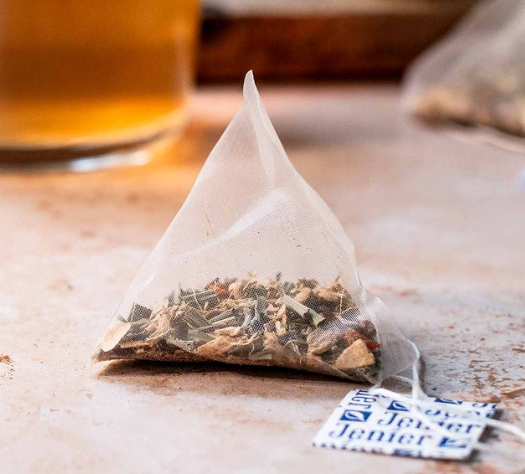
Pyramid tea bags offer a packaging format that combines quality and presentation. Compared with a conventional flat tea bag, a pyramid bag has more three-dimensional internal space, allowing tea leaves, petals, fruit pieces, and herbal ingredients to expand more freely in hot water. For tea brands that value ingredient appearance, aroma, and premium positioning, this format can improve the consumer experience.
An automatic pyramid tea bag packing machine can dose ingredients, form and seal three-dimensional filter bags, attach strings and tags, and place each finished tea bag in an individual outer pouch.
Why Are Black Tea, Green Tea, Fruit Tea, and Herbal Tea Suitable for Pyramid Bags?
Tea ingredients vary in shape and brewing behavior. Black and green teas may contain whole leaves, broken leaves, or blends. Fruit teas can include fruit pieces, peels, petals, and spices. Herbal teas may contain leaves, roots, flowers, and botanical particles.
The three-dimensional structure of a pyramid bag gives these ingredients more room to move and can improve water circulation during brewing.
Suitable product formats include:
- Single-origin or blended black tea;
- Green tea and green-tea flavor blends;
- Fruit tea with fruit pieces, peels, petals, or spices;
- Herbal blends containing leaves, flowers, and botanicals;
- Hotel-room, food-service, and office tea;
- E-commerce, gift boxes, tasting packs, and subscriptions;
- Travel products and corporate gifts;
- Private-label and contract-packed tea.
Packaging Priorities for Different Tea Types
Black Tea: Preserve Body and Aroma
Black tea portions should be determined by leaf form, blend style, and target cup size. Pyramid bags can reduce excessive compression of larger leaves. Individual outer pouches help protect aroma and create space for origin, grade, water-temperature, and steeping guidance.
Green Tea: Control Packaging and Storage Conditions
Green tea flavor can be sensitive to moisture, oxygen, light, and external odors. In addition to using appropriate barrier material, brands should validate shelf life with real products and storage conditions. Brewing instructions should recommend suitable water temperature and steeping time.
Fruit Tea: Manage Ingredient Distribution and Visual Appeal
Fruit tea often combines ingredients with different densities, such as fruit pieces, peels, petals, and spices. During automatic packing, check that each tea bag receives a balanced mixture rather than only lightweight petals or only heavy fruit pieces. Transparent or semi-transparent filter material can display the ingredients and reinforce a natural product image.
Herbal Tea: Validate Feeding, Sealing, and Label Compliance
Herbal ingredients can be lightweight, bulky, prone to bridging, or irregularly shaped. Real formulas must be tested for feeding and dosing stability. Labels should accurately list ingredients, net weight, brewing guidance, storage conditions, and required warnings. Health-related claims must comply with the applicable rules of the target market.
How Does an Automatic Pyramid Tea Bag Packing Machine Work?
An automatic pyramid tea bag packing machine can integrate multiple packaging stages into a continuous process:
- Feed tea leaves, herbal ingredients, or fruit-tea blends into the system;
- Measure the preset net weight for each bag;
- Form a pyramid tea bag from nylon, PLA, non-woven fabric, or another suitable filter material;
- Seal and cut the filter bag;
- Attach a string and tag;
- Transfer the tea bag into an individual outer pouch;
- Heat-seal, cut, and discharge the finished package;
- Add optional date, batch, or traceability coding.
Ingredient density, particle size, moisture content, flowability, and fragment ratio can all affect packaging performance. Machine settings should therefore be validated with the actual production formula.
Three Layers of Quality Protection
Tea-Bag Layer: Space for Brewing
The filter material must balance water flow, strength, sealability, and food-contact suitability. Bag dimensions should suit ingredient volume to avoid overfilling that can restrict flow or sealing.
Outer-Pouch Layer: Aroma and Storage Protection
Individual outer pouches provide moisture, oxygen, light, and odor protection. The material should be selected according to product type, sales cycle, logistics model, and storage environment, while remaining compatible with forming and heat sealing.
Information Layer: Correct Consumer Preparation
The outer pouch can state tea type, ingredients, net weight, water temperature, steeping time, storage conditions, batch details, and brand story. Clear ingredient information is particularly important for fruit and herbal teas.
Why Is Real-Material Testing Essential?
The same pyramid tea bag machine can perform differently with different tea types. Black tea leaves, green tea fragments, fruit pieces, and lightweight petals do not feed or dose in the same way.
Before purchasing equipment, run trials using:
- The actual black tea, green tea, fruit tea, or herbal tea formula;
- Target net weight per bag;
- Pyramid filter material, strings, and tags;
- Actual individual outer-pouch film;
- Required tea-bag and pouch dimensions;
- Expected production output;
- Date, batch, and traceability requirements.
Evaluate fill-weight variation, feeding continuity, ingredient breakage, filter-bag seals, string-and-tag placement, outer-pouch sealing, cutting accuracy, and continuous operation. Use real cups for brewing trials to confirm ingredient expansion, water flow, aroma, and final cup quality.
Chilean Tea Pyramid Bag Packaging Solutions
Xiamen Sengong Packing Equipment Co.,Ltd provides pyramid tea bag packing equipment and related solutions for tea brands, fruit tea and herbal tea producers, private-label businesses, and packing service providers.
Businesses can discuss tea type, ingredient form, fill weight, filter material, string-and-tag requirements, outer-pouch film, and production targets with the equipment supplier. Real-material trials help optimize packaging parameters and reduce compatibility risks before commercial production.
Learn more about equipment and packaging solutions:
- Xiamen Sengong Packing Equipment Co.,Ltd – Quicker Pack
- Xiamen Sengong Packing Equipment Co.,Ltd – VIPacker
Conclusion
Black tea, green tea, fruit tea, and herbal tea can all be developed into convenient, visually appealing, and consistent single-serve products through pyramid tea bag packaging. The three-dimensional filter bag gives ingredients room to expand, while an individual outer pouch helps protect aroma and product quality.
An automatic pyramid tea bag packing machine supports stable dosing, filter-bag forming, string-and-tag attachment, and sealed outer-pouch packaging. Successful products depend on the right match of actual ingredients, filter material, packaging film, machine settings, and brewing guidance.