Chilean Coffee Packaging: Bringing Roasted Coffee into More Consumer Occasions
Chile has diverse coffee-consumption occasions, from urban cafés and home brewing to office and travel use. Coffee consumers increasingly value flavor, convenience, and clear product information. For roasters and coffee brands, turning quality roasted coffee into a portable, easy-to-brew, and retail-ready product can open new market opportunities.
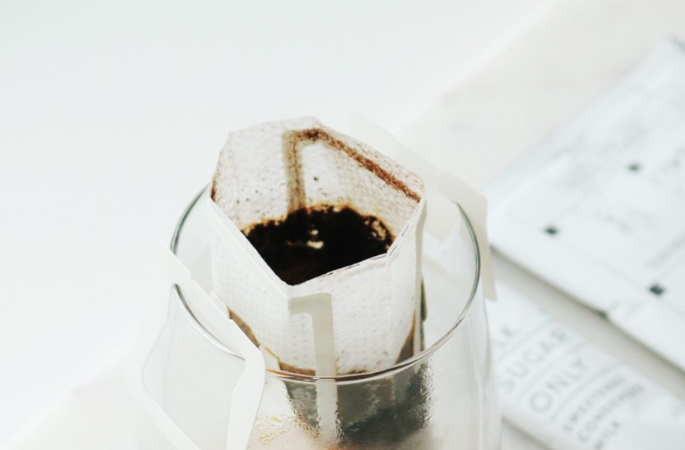
Drip coffee bags offer a practical solution. Each bag contains a measured portion of ground coffee inside a filter with hanging supports, protected by an individual outer pouch. Consumers need only a cup and hot water to brew filter coffee. No coffee machine, grinder, or separate dripper is required, making the format suitable for hospitality, e-commerce, travel, and gift markets.
“Chilean coffee” usually refers to coffee roasted, sold, or developed for consumers in Chile. It does not necessarily mean that the beans were grown in Chile. Brands should accurately identify bean origin, blend information, roast profile, and brewing guidance on product pages and packaging.
Why Do Drip Coffee Bags Suit Chilean Coffee Brands?
A drip bag turns a café-style brewing experience into a repeatable single-serve product. The brand defines the grind, coffee dose, filter structure, and brewing method in advance, while the consumer follows simple instructions to prepare the coffee.
Chilean coffee drip bags can be developed for:
- Specialty single-origin coffee;
- Medium-roast and medium-dark roast everyday blends;
- Café retail products;
- Hotel-room, meeting-service, and office coffee;
- E-commerce and coffee subscriptions;
- Travel, camping, and outdoor coffee;
- Seasonal gifts, corporate gifts, and tasting packs;
- Private-label and contract-packing projects.
Individual pouches can present bean origin, roast date, tasting notes, net weight, recommended water temperature, water volume, and brewing instructions.
How Does a Drip Coffee Product Move from Concept to Production?
A high-quality drip bag is not created by choosing a machine alone. It is the result of coffee, packaging, and brewing experience working together.
Step 1: Define Product Positioning
Decide whether the product emphasizes single origin, everyday drinking, a bold darker roast, or a gift and tasting experience. This affects pack design, price point, coffee recipe, and brewing guidance.
Step 2: Adjust Grind and Fill Weight
Drip bags should not simply use espresso-grind coffee. A grind that is too fine can slow water flow; a grind that is too coarse can produce a weak cup. Fill weight must also match target cup size and desired flavor strength.
Step 3: Select Filter and Outer-Pouch Materials
Filter material should provide stable water flow, reliable sealing, and suitable food-contact performance. Outer pouches should provide appropriate moisture, oxygen, light, and heat-sealing properties for the intended shelf life, logistics, and storage environment.
Step 4: Test Both Packaging and Brewing
A production trial should evaluate more than package appearance. Brew the finished product using real cups, water temperature, and water volume. Commercial production should begin only when both packaging and cup quality are stable.
How Does an Automatic Drip Coffee Bag Packing Machine Work?
An automatic drip coffee bag packing machine connects several stages in a continuous workflow:
- Feed roasted coffee ground for drip brewing into the system;
- Dose each bag to the preset weight;
- Fill coffee into filter material;
- Form an inner filter bag with hanging supports;
- Seal and cut the inner bag;
- Transfer the bag into an individual outer pouch;
- Heat-seal, cut, and discharge the finished package;
- Add optional dates, batch numbers, or traceability codes.
Automation can reduce manual transfer and improve consistency in fill weight, support placement, filter-bag appearance, and outer-pouch seal quality.
How Can You Protect Ground Coffee Quality?
Ground coffee is more vulnerable to oxygen, moisture, light, and external odors. For single-serve products, the outer pouch is a central part of protecting product quality.
Businesses should consider:
- Whether pouch barrier performance matches target shelf life;
- Whether heat seals are complete and consistent;
- Whether coffee powder enters the sealing area;
- Whether film is compatible with bag forming and cutting;
- Whether nitrogen flushing should be evaluated for the product;
- Whether storage and transport conditions match the package design.
Shelf life should always be validated using real coffee, actual packaging materials, and intended storage conditions.
Brewing Instructions Are Part of the Product Experience
The outer pouch should provide clear, simple use guidance:
- Open the individual outer pouch;
- Unfold both hanging supports;
- Place the filter over a cup;
- Add a small amount of hot water to wet the coffee;
- Pour the recommended water volume in stages;
- Allow the coffee to finish dripping before enjoying it.
Include water temperature, total water volume, target cup size, and flavor notes where appropriate. Clear instructions reduce variation in use and strengthen the overall brand experience.
Chilean Coffee Drip Bag Packaging Solutions
Xiamen Sengong Packing Equipment Co.,Ltd provides drip coffee bag packing equipment and related solutions for coffee roasters, coffee brands, private-label businesses, and contract packers.
Businesses can discuss coffee characteristics, fill weight, filter material, outer-pouch film, and target output with the equipment supplier. Trials using real coffee and packaging materials help optimize dosing, sealing, and brewing performance before commercial production.
Learn more about equipment and packaging solutions:
- Xiamen Sengong Packing Equipment Co.,Ltd – Quicker Pack
- Xiamen Sengong Packing Equipment Co.,Ltd – VIPacker
Conclusion
Drip coffee bags allow Chilean coffee brands to turn roasted coffee flavor into a portable, individually protected, and easy-to-brew single-serve product. The format supports specialty retail, hospitality, travel, e-commerce, and gifting.
An automatic drip coffee bag packing machine enables consistent dosing, hanging-ear filter forming, and sealed outer-pouch packaging. Product success depends on the complete match of coffee positioning, grind size, fill weight, filter material, pouch material, and brewing guidance.