Turn Cambodian Flavor Inspiration into a Real Cup Experience
Cambodian herbal tea and black tea products may combine black tea leaves with lemongrass, ginger, pandan, petals, fruit peel, or other suitable botanical ingredients. Black tea creates body and depth, while herbs and fruit ingredients add aroma, color, and visible layers.
In this article, “Cambodia herbal tea and black tea” refers to tea products developed, blended, packed, or sold for the Cambodian market. It does not mean that every tea leaf or botanical ingredient originates in Cambodia. Brands should accurately declare ingredient names, sources, and formulations according to their real supply chains.
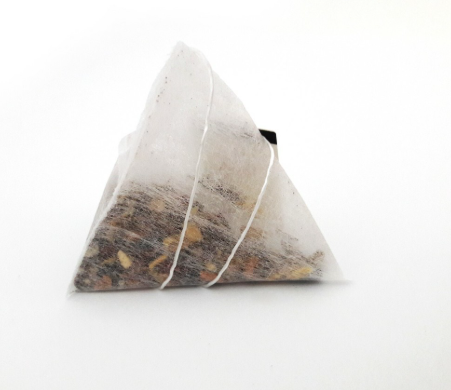
Pyramid tea bags use a three-dimensional filter structure that can accommodate larger tea leaves, petals, fruit pieces, and cut botanicals. Consumers can see the ingredients, while the tea materials have more room to expand in hot water. This format is suitable for specialty retail, hotel rooms, travel souvenirs, e-commerce assortments, and gift sets.
Use a Three-Layer Formula to Create a Distinctive Blend
A premium blend is not created simply by adding more ingredients. Cambodian-style tea products can be designed with three layers: an infusion base, a leading aroma, and supporting accents.
- Infusion base: black tea provides body, color, and overall structure;
- Leading aroma: one primary herb or botanical creates a recognizable identity;
- Supporting accents: petals, peel, fruit pieces, or spices add visual and aromatic detail.
For example, black tea and lemongrass can create a fresh blend with a clear tea base, while ginger and black tea may produce a warm, spice-led profile. A formula without black tea can focus on botanical and fruit aroma. Flavor descriptions should always reflect actual brewing tests and should not become unverified health or therapeutic claims.
This structured approach also reduces aroma conflict and makes automated dosing more manageable.
Different Ingredient Shapes Can Cause Formula Variation
Black tea leaves, lightweight petals, long botanical pieces, and heavier fruit particles differ in density, size, flowability, and fragility. Mixed ingredients can separate in a hopper, causing some bags to contain more black tea and others more botanicals or fruit.
Before commercial packing, validate:
- Whether ingredient particle sizes suit automatic dosing;
- Whether the blend remains uniform during storage and conveying;
- Whether long botanical pieces bridge or become tangled;
- Whether tea leaves and petals are excessively crushed;
- Whether fine particles affect infusion clarity;
- Whether fill weight matches the recommended water volume;
- Whether the bag allows enough space for ingredient expansion.
Only consistent ingredient ratios can repeatedly deliver the flavor promised on the package.
How a Pyramid Tea Bag Packing Machine Automates Production
A pyramid tea bag packing machine can integrate ingredient dosing, 3D bag forming, sealing, string-and-tag attachment, and individual outer-envelope packing into a continuous workflow. For Cambodian herbal and black tea projects, it helps reduce fill-weight variation, manual contact, and differences in finished-pack appearance.
Depending on the configuration, the process may include:
- Automatic dosing of black tea, herbal tea, or fruit-and-flower blends;
- Pyramid tea bag forming with suitable filter material;
- Ultrasonic or heat sealing;
- String-and-tag application, or tagless bag production;
- Individual outer-envelope packing and sealing;
- Connection with cartons, gift boxes, hotel kits, or multi-flavor assortments.
Different formulas may require different dosing methods and machine settings. Equipment should be tested with the actual commercial ingredients rather than evaluated only with a uniform standard sample.
Individual Envelopes Support Humid Conditions and Travel Retail
Black tea, botanicals, and fruit ingredients may be affected by humidity, oxygen, light, and surrounding odors. An individual outer envelope adds protection to the pyramid tea bag while improving portability, hotel usability, and multi-flavor gift-box presentation.
Brands should evaluate barrier performance, heat-seal integrity, and transport durability according to expected humidity, storage periods, and distribution routes. For gift boxes containing several strongly aromatic blends, individual sealing may also reduce aroma transfer between tea bags.
Shelf life and aroma-retention performance must be established through testing with real ingredients, packaging materials, sealing parameters, storage conditions, and finished products. They cannot be guaranteed solely by using pyramid tea bags or individual envelopes.
Packaging for Travel Gifts and Everyday Retail
Cambodian herbal tea and black tea packaging can be adapted to different channels:
- Hotel tea bags should emphasize simple preparation, individual hygiene, and clear tags;
- Travel gift boxes can present ingredient stories, flavor maps, and multi-flavor assortments;
- Retail packs should state net weight, tea-bag count, and brewing instructions;
- E-commerce products should consider shipping protection, carton strength, and the unboxing experience;
- Food-service products can provide guidance for hot preparation or serving after cooling.
Packaging should also include a complete ingredient list, black-tea and caffeine information where applicable, recommended water temperature, steeping time, storage instructions, batch details, and food-label content required by the destination market.
Complete Pre-Launch Trials with Real Ingredients
Equipment trials should follow the product from the production line to the consumer’s cup. Key checks include:
- Whether ingredients feed smoothly while maintaining blend proportions;
- Whether fill weight remains stable;
- Whether tea leaves, petals, and fruit pieces are visibly damaged;
- Whether pyramid bags are full and securely sealed;
- Whether strings, tags, and individual envelopes are neat and reliable;
- Whether finished packs remain sealed after storage and transport;
- Whether brewed color, aroma, and taste match the intended product position.
Xiamen Sengong Packing Equipment Co.,Ltd provides equipment solutions for tea, herbal tea, and food packaging projects. For Cambodia black tea, herbal tea, fruit-and-flower blends, and pyramid tea bag projects, visit Quicker Pack and VIPacker to explore relevant equipment and conduct trials using your actual ingredients, filter materials, outer envelopes, and target fill weights.
Conclusion
The competitive value of Cambodia herbal tea and black tea pyramid bags comes from a clear formula structure, visible ingredients, and a consistent single-cup experience. By controlling ingredient specifications and blend uniformity, matching an appropriate 3D bag and outer envelope, and using a reliable pyramid tea bag packing machine, brands can create premium tea products for hotels, travel retail, e-commerce, gift boxes, and everyday consumption.