Angolan Coffee: Creating a Full-Bodied, Clean Cup with Ultrasonic Drip Bag Packaging
Angolan Coffee Does Not Have to Remain a Supporting Ingredient
Angolan Robusta deserves individual attention during product development. An International Coffee Organization project document discussed its international use, including blending with Arabica to create stronger, balanced aroma. These historical descriptions offer useful context, but they cannot replace assessment of the lot purchased today.
For roasters and private-label brands, Angolan coffee can become a clearly identified origin product or a documented component of a blend. The priority is to disclose species, sourcing, and composition accurately, then demonstrate flavor through actual brewing rather than equating Robusta with bitterness or low quality.
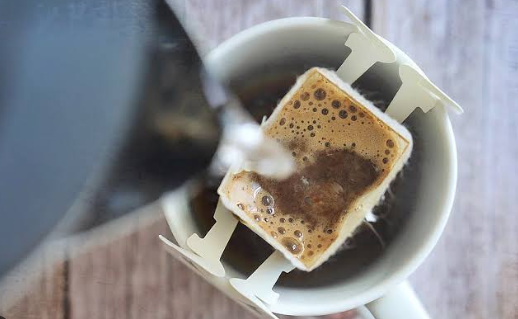
An ultrasonic drip coffee bag packing machine offers a single-serve route: measured ground coffee is packed in a hanging-ear filter and protected by an individual envelope. Consumers can prepare a filter-style cup without a coffee machine.
Aim for Body Without Using Bitterness as a Substitute for Strength
An Angolan drip coffee product can target body, balance, and a clean finish, but specific flavor claims should come from tasting the actual lot.
Two development directions are worth evaluating:
- An Angolan-origin range: highlighting verified sourcing and the coffee’s individual cup character;
- A blend containing Angolan coffee: balancing aroma, sweetness, body, and bitterness through formulation.
If beans from other countries are included, the product should be described accurately as a blend rather than entirely Angolan-origin coffee.
Strength and bitterness are not the same. Darker roasting, a higher dose, or longer brewing may change the cup without improving it. Taste the beverage again as it cools to confirm that it remains balanced, sweet enough for its intended profile, and clean in the finish.
An Espresso Blend Needs New Validation for a Drip Bag
A formula and grind intended for espresso cannot simply be transferred to a hanging-ear filter. Espresso uses pressure, while drip bags primarily rely on gravity to move water through the coffee bed.
An excessively fine grind may cause slow drainage, pooling, or uneven extraction. An overly coarse grind may produce insufficient strength. Coffee and packaging should therefore be tested as a connected system:
- Define the target cup volume and flavor;
- Adjust grind distribution and control excessive fines;
- Select suitable filter material and bag capacity;
- Validate fill weight and pouring instructions;
- Compare drainage and cup quality across consecutive finished packs.
Machine settings should not be chosen solely from species or roast color. Actual powder flow, density, and particle distribution are important trial inputs.
Ultrasonic Sealing Joins the Filter; the Envelope Provides Barrier Protection
In an ultrasonic drip coffee bag packing machine, ultrasonic technology is typically used to bond compatible inner filter materials. High-frequency mechanical vibration produces a localized effect at the joint, enabling suitable materials to bond.
This is not an entirely heat-free process, nor does it directly preserve coffee freshness. The inner bag must remain intact, retain grounds, and support brewing. The outer envelope provides protection against oxygen, humidity, and external odors before opening.
Depending on model and configuration, production may integrate:
- Automatic ground-coffee dosing and filling;
- Inner filter-bag forming and ultrasonic sealing;
- Hanging-ear filter handling;
- Individual outer-envelope packing and sealing;
- Date and batch coding;
- Downstream cartoning or assortment packing.
The VIPacker ultrasonic drip coffee inner and outer bag machine provides a relevant equipment example. Filter compatibility, envelope sealing, and accessory functions should be confirmed for the selected configuration.
Accurate Dosing Means More Than a Target Weight on the Screen
Different roast batches and blend ratios may change ground-coffee bulk density. Even at the same weight, the coffee can occupy different volumes inside the filter, affecting pouring and expansion space.
Equipment acceptance should evaluate three outcomes:
Weight distribution: Sample consecutive packs and check individual variation, not only the average.
Bag condition: Examine whether grounds crowd the seal, the filter is overfilled, or the supports become unstable when opened.
Brewing performance: Follow the same instructions and compare drainage, strength, and finish.
These checks together provide stronger evidence of production readiness than speed alone.
Solve Trapped Grounds at the Filling Stage
Fine coffee particles in the bonding area may cause incomplete seals, leakage, or reduced strength. Increasing ultrasonic power alone is not a complete solution.
Also inspect filling timing, powder landing position, product-channel residue, and fine-particle content. Confirm that the filter material matches the sealing parameters. Finished filters should undergo both dry inspection and hot-water brewing checks, because the structure must remain dependable after wetting.
Outer-envelope integrity needs separate testing. A sound inner-filter seal does not prove that the outer package is properly sealed.
Aroma Protection Starts Between Grinding and Packing
A high-barrier envelope cannot reverse flavor changes that occurred before packing. Production should manage the delay after grinding, hopper residence time, post-roast degassing, and the environment around exposed coffee.
If nitrogen flushing is selected, evaluate residual oxygen, seal integrity, and stored-product flavor rather than simply checking for a gas connection on the machine.
Shelf life must be established for the actual formula, packaging structure, production parameters, and expected distribution conditions. It should not be copied from another coffee product.
Help Consumers Understand This Angolan Coffee
Packaging or its associated product page should provide:
- Verified bean origin and traceable lot information;
- Robusta, Arabica, or blend identification;
- Roast level and accurate flavor descriptions;
- Fill weight, recommended cup volume, and brewing steps;
- Roast, packing, or production-batch information;
- Storage instructions and labeling required by the destination market.
For example, “cocoa notes” may describe a sensory characteristic. If no cocoa is added, the packaging should not suggest that the coffee contains cocoa powder.
Discuss Equipment Using the Actual Product
For Angolan-origin coffee, blends containing Angolan Robusta, or office drip coffee products, contact Xiamen Sengong Packing Equipment Co., Ltd to discuss dosing, filter materials, and inner-and-outer packaging needs. Relevant equipment options can also be explored through VIPacker.
Provide the actual coffee, target fill weight, filter material, hanging-ear structure, and envelope, together with the intended cup volume and brewing standard. Production speed, dosing capability, and optional functions should be confirmed through the chosen model and practical trial results.
Conclusion
The value of an Angolan drip coffee product lies in making its ingredient character recognizable through consistent brewing. By developing formulas from real lots and separately validating grinding, dosing, ultrasonic inner-filter sealing, and outer-envelope protection, brands can turn origin information into a full-bodied, clean, and repeatable single-cup experience.