An Argentine-Style Tea Bag Should Clearly Explain Its Ingredients
Argentina herbal tea and black tea products may contain black tea leaves, yerba mate, petals, fruit peel, fruit pieces, mint, and other suitable botanicals. These ingredients have different aromas, appearances, and brewing characteristics, and they may come from different supply regions.
“Argentina herbal tea” may refer to a product blended, packed, sold, or developed for the Argentine market. It does not necessarily mean that every ingredient was grown in Argentina. Premium brands should communicate this accurately through ingredient lists, sourcing information, batch details, and flavor descriptions.
Yerba mate is also different from black tea. Yerba mate comes from the yerba mate plant, while black tea is made from tea leaves. They may be packed separately or blended with flowers and fruit, but product names, caffeine information, and brewing instructions should distinguish them.
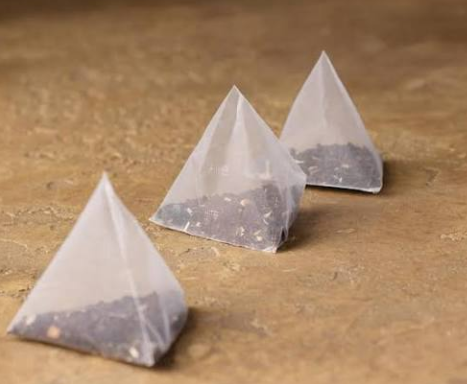
Pyramid tea bags give brands a format that can display real ingredients. Their three-dimensional space accommodates larger leaves, petals, and fruit pieces, allowing consumers to observe the blend after opening the outer envelope.
Manage Premium Blends by Batch
Tea and botanical ingredients can vary with variety, origin, harvest period, cutting specification, and drying condition. Even when the formula remains unchanged, particle size, bulk density, and aroma strength may differ between ingredient batches.
Brands can establish a batch-management process:
- Record the supplier, lot number, and receiving date of each ingredient;
- Check appearance, fine-particle content, aroma, and dryness;
- Calibrate dosing settings according to actual bulk density;
- Test blend uniformity and continuous packing performance;
- Validate finished-pack sealing, brewing, and storage;
- Print traceable batch information on envelopes or cartons.
This approach turns the pyramid tea bag into more than an attractive package. It becomes a traceable unit connecting ingredients, production, and consumer experience.
Visible Ingredients Do Not Automatically Mean a Uniform Formula
Pyramid bags can display leaves and botanicals, but visually varied blends are more likely to separate during automated packing. Lightweight petals may remain near the top of the hopper, heavier fruit pieces may settle, and yerba mate stems or long botanicals may cause bridging.
To improve consistency between tea bags, control:
- Differences in ingredient particle size and density;
- Blending time, batch volume, and loading sequence;
- Blend uniformity while the machine is operating;
- Fine-particle content and its effect on dosing and infusion;
- Total fill weight and the ratio of major ingredients;
- Bag capacity and hydrated ingredient expansion.
A formula with major ingredient differences may require revised cutting specifications, removal of excessive fines, or a more suitable dosing method. Both fill weight and brewed performance should be checked; bag fullness alone is not enough.
How a Pyramid Tea Bag Packing Machine Supports Production and Traceability
A pyramid tea bag packing machine can integrate ingredient dosing, 3D bag forming, sealing, string-and-tag attachment, and individual outer-envelope packing. It may also work with date coding, batch identification, and downstream cartoning to support finished-product traceability.
Depending on the configuration, the process may include:
- Automatic dosing of black tea, yerba mate, or herbal blends;
- Pyramid or triangular bag forming with suitable filter material;
- Ultrasonic or heat sealing;
- String-and-tag application, or tagless bag production;
- Individual outer-envelope packing;
- Production-date or batch-code printing;
- Connection with cartons, gift boxes, and multi-flavor assortments.
Actual functions depend on the selected equipment and options. Brands should verify each requirement against the real product, packaging materials, and production workflow.
Individual Envelopes Combine Product Protection with Information
Black tea, yerba mate, botanicals, and fruit ingredients can be affected by humidity, oxygen, light, and surrounding odors. Individual outer envelopes provide additional protection and space for ingredients, batch codes, brewing guidance, and QR-based product information.
Multi-flavor gift boxes particularly benefit from individual sealing because it can reduce aroma transfer between products. Brands should test barrier performance, heat-seal integrity, opening convenience, and transport resistance with the actual product.
Shelf life and aroma retention cannot be determined solely from the tea-bag shape or the name of an envelope material. They should be validated through real ingredients, actual packaging, storage conditions, transport simulation, and finished-product testing.
Design Different Tea Bags for Different Channels
The same formula may need different product specifications for different channels:
- Specialty retail: visible ingredients, flavor information, and brand storytelling;
- E-commerce: strong cartons, dependable individual seals, and good post-shipping appearance;
- Hotel rooms: hygienic single packs, easy opening, and concise brewing steps;
- Gift markets: multi-flavor assortments, refined tags, and aroma separation;
- Office supply: consistent brewing, fast preparation, and easy replenishment.
Brands may use different fill weights for different cup sizes, but each format should be separately validated for dosing, bag capacity, and brewing. Package dimensions should not simply be enlarged or reduced without testing.
Information Consumers Need on the Label
High-quality Argentina herbal tea and black tea packaging should clearly state:
- A complete list of black tea, yerba mate, herbs, peel, fruit pieces, and spices;
- Whether the product contains black tea or yerba mate, with appropriate caffeine information;
- Accurate details about ingredient origin, blending location, or packing location;
- Recommended water temperature, volume, and steeping time;
- Fill weight, tea-bag count, and storage conditions;
- Production date, batch code, or traceability information;
- Required language and food-label content for the destination market.
Sensory descriptions may include botanical, floral, fruity, roasted, fresh, or full-bodied. Avoid unverified medical, weight-loss, or other functional claims.
Test the Machine with an Actual Production Batch
Before selecting equipment, conduct trials with real production-batch ingredients, filter material, strings, tags, and outer-envelope film. Sample several consecutive finished packs and check:
- Consistency of fill weight and major ingredient ratios;
- Whether the blend separates during packing;
- Whether leaves, petals, and fruit pieces are visibly damaged;
- Whether pyramid bags are full and securely sealed;
- Whether individual envelopes are sealed and batch codes remain clear;
- Whether ingredient residue remains after SKU changeover;
- Whether the product maintains its intended brewing performance after storage and transport tests.
Xiamen Sengong Packing Equipment Co., Ltd provides equipment solutions for tea, herbal tea, and food packaging projects. For Argentina black tea, yerba mate, herbal blends, and pyramid tea bag projects, visit Quicker Pack and VIPacker to explore relevant equipment and conduct trials with your actual ingredients, filter materials, outer envelopes, and target fill weights.
Conclusion
Long-term differentiation for Argentina herbal tea and black tea pyramid bags cannot rely only on regional graphics or attractive ingredients. By clearly distinguishing black tea, yerba mate, and botanicals, establishing batch traceability, controlling blend uniformity, validating real brewing performance, and using a reliable pyramid tea bag packing machine, brands can deliver more transparent and consistent premium products to retail, hospitality, e-commerce, and gift markets.