Turn Tropical Ingredients into a Layered Tea Experience
Indonesia offers many tea-drinking occasions and product possibilities. Black tea can deliver body, malt-like notes, woody character, or gentle sweetness. Herbs, spices, peel, fruit pieces, and botanical ingredients can add distinctive aroma and visual expression to a tea range.
For brands, the goal is not to put as many “tropical” ingredients as possible into one bag. It is to ensure that every ingredient has a clear role in the final infusion.
In this article, “Indonesia herbal tea and black tea” refers to tea products developed, blended, packed, or sold for the Indonesian market. Black tea leaves, herbs, spices, and fruit ingredients may come from different supply regions. Trust should be built through accurate ingredients, clear labels, and actual brewing performance.
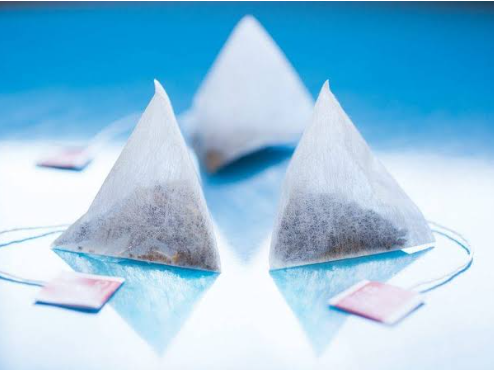
A pyramid tea bag uses a three-dimensional filter structure that can hold more complete tea leaves, petals, fruit pieces, spice fragments, and cut botanicals. Compared with a flat tea bag, it gives ingredients more room to expand, allowing consumers to see the raw materials before brewing and experience more layered aroma and infusion character.
Build a Flavor Map Instead of Making a Single Tea Bag
Indonesia-style herbal tea and black tea can be organized around clear flavor directions. This helps brands create retail ranges while also supporting hotels, gift boxes, and e-commerce assortments.
Potential product directions include:
- Classic Black Tea: focused on tea body, full aroma, and everyday convenience;
- Lemongrass and Botanical Aroma: using suitable botanical ingredients for a fresh, bright aromatic impression;
- Ginger and Spice Blends: using carefully balanced spice ingredients to create a warm flavor direction;
- Fruit-and-Flower Black Tea: black tea with petals, peel, or fruit pieces for added aromatic layers;
- Herbal Tea Without Black Tea: for consumers seeking blends that do not contain black tea;
- Travel and Gift Collections: multiple individually wrapped tea bags for sampling, gifting, and portability.
Every product should clearly state its main flavor direction, brewing method, and ingredient composition. Products containing black tea should also provide accurate caffeine information.
Rich Ingredients Require More Precise Packaging Control
A key challenge in blending herbal tea with black tea is the physical difference between ingredients. Black tea leaves can be light; petals are fragile; fruit pieces and spices may be heavier; and cut botanicals may bridge or feed unevenly. Without sufficient control during blending, transport, and dosing, the ratio of ingredients may vary from bag to bag.
Before packing, brands should confirm:
- Ingredient particle size, density, and fine-particle content;
- Whether the blend remains uniform or separates over time;
- Whether ingredient dryness is suitable for automatic packing;
- Whether larger or lightweight pieces affect feeding stability;
- Whether fill weight matches the intended cup volume;
- Whether the tea bag has enough room for hydrated ingredient expansion;
- Whether filter material balances water flow with fine-particle filtration.
For a blend containing petals and fruit pieces, optimizing ingredient size and tea-bag dimensions can reduce the risk of one bag containing many petals while another contains mostly tea leaves. Packaging consistency is the foundation of flavor consistency.
How a Pyramid Tea Bag Packing Machine Supports Diverse Formulas
A pyramid tea bag packing machine integrates automatic dosing, 3D bag forming, sealing, string-and-tag application, and individual outer-envelope packing into a continuous process. For Indonesia herbal tea and black tea projects, it helps reproduce a validated formula consistently as individual tea bags.
Depending on the equipment configuration, the production process may include:
- Automatic measured filling of black tea, herbal tea, or fruit-and-flower blends;
- Pyramid tea bag forming with suitable filter materials;
- Ultrasonic or heat sealing of the tea bags;
- String-and-tag application, or tagless tea bag production;
- Individual outer-envelope sealing;
- Connection with cartons, gift boxes, multi-flavor assortments, and hotel amenity packaging.
For brands managing several SKUs, convenient changeover, feeding compatibility with different ingredients, and stable fill-weight control are important criteria when evaluating equipment.
Individual Outer Envelopes Make Aromatic Tea More Suitable for E-Commerce, Gifts, and Hotels
Tea leaves, herbs, and fruit ingredients can be affected by humidity, oxygen, light, and external odors. The pyramid bag provides space for brewing, while the individual outer envelope helps protect the product during storage, shipping, retail display, and before opening.
For blends with pronounced floral, fruit, or spice aromas, individual sealing can also reduce the chance of aroma transfer between different tea bags. Brands can select outer-envelope barrier performance, sealing methods, and packaging structures according to the formula and target channel.
Shelf-life, storage, and aroma-retention statements must be based on actual ingredients, packaging materials, sealing parameters, logistics conditions, and finished-product testing. A pyramid bag or individual outer envelope alone cannot guarantee a fixed shelf life.
Packaging Copy Should Help Consumers Brew Correctly and Build Brand Trust
High-quality Indonesia herbal tea and black tea packaging should provide both sensory and practical information:
- A complete ingredient list identifying black tea, herbs, fruit pieces, and spices;
- Whether black tea is included, with relevant caffeine information;
- Flavor descriptions such as full-bodied, floral, fruity, fresh, or warm-spiced;
- Recommended water temperature, steeping time, and water volume per tea bag;
- Fill weight, tea-bag count, batch details, and storage conditions;
- Required language and food-label information for the target market.
Herbal tea can use objective flavor language, but should avoid unverified health, therapeutic, or functional claims.
Use Opening, Brewing, and Drinking as the Final Trial Standard
Before selecting a pyramid tea bag packing machine, run trials with the real ingredients, filter material, strings, tags, and outer-envelope film intended for sale. Beyond machine speed, evaluate:
- Whether ingredients feed smoothly and each bag reaches the target weight;
- Whether blended ingredients separate, bridge, or break significantly;
- Whether pyramid tea bags are full, three-dimensional, and completely sealed;
- Whether tags, strings, and individual outer envelopes are neat and reliable;
- Whether aroma and appearance remain stable after storage and transport;
- Whether infusion, aroma, and taste meet brand expectations when brewed according to the package instructions.
Xiamen Sengong Packing Equipment Co.,Ltd provides equipment solutions for tea, herbal tea, and food packaging projects. For Indonesia black tea, herbal tea, fruit-and-flower blends, and pyramid tea bag projects, visit Quicker Pack and VIPacker to explore relevant packaging equipment and evaluate it using your actual ingredients, packaging materials, and production-capacity requirements.
Conclusion
The advantage of Indonesia herbal tea and black tea pyramid tea bags is their ability to combine diverse ingredients, clear flavor positioning, and convenient brewing in one single-cup product. By controlling blend consistency, matching tea-bag capacity and filter materials, providing dependable individual sealing, and using a reliable pyramid tea bag packing machine for standardized production, brands can create quality tea products for retail, hotels, gift boxes, e-commerce, and everyday drinking.