Product Tiering for Brazil Ground Coffee: Expand the Single-Serve Market with Drip Coffee Bags
Brazil coffee offers a broad raw-material foundation for products ranging from everyday blends to single-origin specialty coffee. For roasters, brands and export companies, the opportunity is not limited to selling whole beans or large packs of ground coffee. It also lies in turning different quality levels and flavor profiles into single-serve products that are easy for consumers to understand, buy and brew.
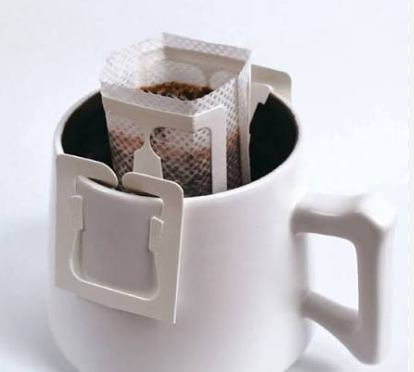
A drip coffee bag, also known as a hanging-ear coffee bag, holds a measured amount of ground coffee inside a filter bag and seals it in an individual outer envelope. Consumers do not need a coffee machine; they simply attach the bag to a cup and add hot water to prepare filtered coffee. This format brings Brazil ground coffee into sampling packs, subscription boxes, hotel rooms, offices, travel retail and gifting channels.
Create Multiple Product Tiers from One Coffee Supply Base
Brazil ground coffee can be developed into a clear single-serve product ladder rather than one standard drip coffee bag.
For example:
- Everyday reliable coffee: Balanced blends with cocoa-like, nutty, caramel or full-bodied notes for home and office use.
- Medium-roast flavor coffee: Smooth, approachable products designed for consumers trying drip coffee bags for the first time.
- Single-origin coffee: Products with origin, lot, process method, roast date and flavor information for specialty retail and e-commerce.
- Mixed tasting boxes: Multi-pack assortments of roast levels or coffee styles for comparison and discovery.
- Business gifting coffee: Premium envelopes, gift cartons and brewing guidance for corporate gifts and hotel hospitality.
Drip coffee bags give different Brazil coffee products clearer identities and allow brands to test new flavors, packaging and sales channels in smaller consumer units.
Filter-Compatible Grinding Determines Single-Cup Success
A hanging coffee bag is not simply a portioned pack of coffee powder. The coffee must be ground for filter extraction so that consumers can achieve consistent flavor.
If coffee is ground too fine, flow may slow down, leading to clogging, bitterness or over-extraction. If it is too coarse, water can pass too quickly and create a weak cup with limited sweetness. Brazil ground coffee should be tested with the actual filter-bag specification, coffee dose, target cup volume and recommended pouring method.
During development, create a brewing record for each product:
- Coffee weight per bag;
- Coffee grind particle range;
- Recommended water temperature;
- Total water volume;
- Staged pouring rhythm;
- Brewing time;
- Aroma, strength, sweetness and aftertaste evaluation.
This record supports production control and helps convert technical parameters into consumer-friendly packaging information.
Key Capabilities of a Drip Coffee Bag Packaging Machine
Depending on configuration, a drip coffee bag packaging machine can integrate automatic coffee dosing, inner filter-bag forming, hanging-ear attachment, individual outer-envelope sealing and optional nitrogen flushing. For Brazil ground coffee projects, equipment selection should assess not only output but also flexibility and consistency across different coffee products.
Key validation points include:
- Dosing adaptability for different products
Light, medium and dark roasts, as well as different blends, can vary in density, flow behavior and static charge. Real-product trials are essential. - Filter-bag compatibility
Filter bags should balance water flow, strength and neat appearance. Hanging ears should fit common cup types securely. - Individual-envelope freshness protection
Ground coffee is sensitive to oxygen, moisture, light and odor transfer. High-barrier envelopes help reduce quality changes during storage and distribution. - Optional nitrogen flushing
Premium, export-oriented or aroma-focused products may evaluate nitrogen flushing. Actual freshness should be verified through finished-product tests, residual-oxygen control and storage trials. - Batch management and brand differentiation
Multiple product lines need clear dates, batch codes and visual packaging distinction for retail management and consumer recognition.
Convert Supply-Chain Strength into Consumer Trust
Brazil’s coffee supply advantages need to be communicated through credible product information. Drip coffee bag envelopes can show coffee type, roast level, flavor notes, preparation guidance, net content, batch codes and date marking.
If brands use claims such as “single origin,” “specialty” or “sustainable,” they should ensure these statements are supported by genuine source information and internal records. For export markets, labels should also be reviewed for language, origin claims, ingredient information and other destination-market compliance requirements.
Key Checks Before Commercial Launch
Before mass production, run complete trials with final Brazil ground coffee, filter bags and outer-envelope film. Validate both machine performance and final cup quality:
- Is coffee weight consistent in every bag?
- Are filter bags properly formed and hanging ears secure?
- Are outer-envelope seals reliable?
- Does transport simulation reveal powder leakage, bag damage or deformation?
- Are flow rate and flavor consistent when brewed as instructed?
- After the planned storage period, do aroma and pack appearance still meet internal quality standards?
Packaging Solutions from Xiamen Sengong
Xiamen Sengong Packing Equipment Co.,Ltd provides packaging equipment solutions for drip coffee bags and single-serve ground coffee products. Brands can select suitable configurations based on Brazil coffee grind characteristics, per-pack coffee dose, output targets, filter-bag specifications, outer-envelope formats and freshness requirements.
Learn more:
- Xiamen Sengong Packing Equipment Co.,Ltd – Quicker Pack
- Xiamen Sengong Packing Equipment Co.,Ltd – VIPacker
Conclusion
Drip coffee bag development for Brazil ground coffee can turn a stable coffee supply base into a multi-tier retail strategy. With a suitable grind profile, reliable individual freshness packaging and professional equipment, brands can bring Brazil coffee into everyday consumption, sampling, gifting and export channels in a more portable and recognizable format.