Arabica Coffee Packaging: From Bean Character to a Single-Serve Brewing Experience
Arabica coffee is one of the most widely used coffee species and an important foundation for specialty coffee products. Origin, altitude, variety, processing method, and roast profile can all influence the aroma, acidity, sweetness, body, and finish of an Arabica coffee.
For coffee brands, the value of Arabica is not simply the word “Arabica” on a package. The real value lies in clearly communicating origin, roast style, and brewing experience to consumers. Drip coffee bags offer an effective way to do this.
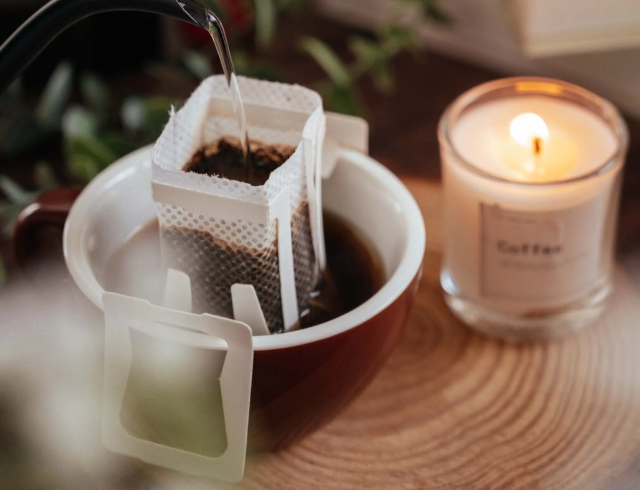
A drip coffee bag holds a measured portion of ground coffee inside a filter with fold-out hanging supports and protects it inside an individual outer pouch. Consumers open the pouch, place the filter over a cup, and add hot water in stages. This translates the basic logic of pour-over coffee into a more portable and repeatable single-serve format.
Why Is Arabica Coffee Suitable for Drip Coffee Bags?
Arabica coffee can express different origin characteristics through filter brewing, making it suitable for single-origin products, specialty blends, and seasonal coffee releases.
Drip coffee bags can be developed for:
- Single-origin Arabica coffee;
- High-altitude or distinctive regional coffees;
- Light-medium, medium, and medium-dark roast products;
- Specialty Arabica blends;
- Coffee tasting collections and origin assortments;
- Hotel, office, and business-gift coffee;
- E-commerce, subscriptions, and travel coffee;
- Private-label and contract-packing projects.
The individual outer pouch also provides space for origin, processing method, roast date, tasting notes, recommended water temperature, water volume, and batch information.
Arabica Is Not One Flavor: Define the Product Before Packaging
“Arabica” does not automatically describe a fixed flavor profile. Coffees from different regions can show floral, fruity, citrus, caramel, nut, chocolate, or tea-like characteristics.
Before developing a drip coffee bag, define the product role:
- Origin-led: highlighting a country, region, farm, or processing method;
- Flavor-led: designed around floral, fruity, nutty, cocoa, or caramel notes;
- Everyday drinking: focused on balance, consistency, and simple brewing;
- Gift experience: offering multi-origin, small-lot, or seasonal selections;
- Hospitality or office use: providing a clear, easy brewing process.
This decision affects roast level, grind size, fill weight, pouch design, and brewing instructions. The packing machine supports consistent production, but the final consumer experience depends on the compatibility of the coffee recipe and packaging structure.
How Does an Automatic Drip Coffee Bag Packing Machine Work?
An automatic drip coffee bag packing machine can integrate dosing, filter-bag forming, hanging-support attachment, and outer-pouch sealing into a continuous production workflow.
Typical stages include:
- Feeding roasted and ground Arabica coffee into the system;
- Measuring the preset dose for each bag;
- Filling coffee into filter material;
- Forming an inner filter bag with hanging supports;
- Sealing and cutting the inner bag;
- Transferring it into an individual outer pouch;
- Heat-sealing, cutting, and discharging the final package;
- Adding optional production dates, batch numbers, or traceability codes.
Automation can reduce manual transfer and improve consistency in fill weight, filter-bag appearance, support placement, and outer-pouch sealing. Actual performance is influenced by particle size, density, roast level, oil content, static electricity, and packaging materials.
Four Quality Controls for Arabica Drip Coffee Bags
1. Grind Size and Water Flow
Grind size controls how quickly water flows through the coffee bed. A grind that is too fine can create slow flow and over-extraction, while a grind that is too coarse can create a weak cup. Test the actual filter, dose, target cup size, and recommended water volume.
2. Fill Weight and Flavor Strength
The amount of coffee in each bag should match the target cup size. Too little coffee can reduce body and intensity; too much may affect flow or produce uneven extraction. Establish the fill weight through real product testing.
3. Outer-Pouch Barrier Performance
Ground coffee is sensitive to oxygen, moisture, light, and external odors. Individual pouches should provide suitable oxygen, moisture, light, and heat-sealing performance for the intended shelf life, storage environment, and logistics requirements.
4. Seal Integrity
Coffee in the seal area, wrinkled film, or unstable sealing settings can compromise package integrity. Manufacturers should inspect seal appearance, seal strength, cutting alignment, and continuous operating stability.
How Can Consumers Brew the Intended Cup?
The success of a drip coffee bag depends on clear brewing instructions as well as coffee and packaging quality. The outer pouch can simply explain:
- Open the individual outer pouch;
- Unfold the supports and place the filter over a cup;
- Add a small amount of hot water to wet the coffee;
- Pour the recommended amount of water in stages;
- Allow the coffee to drip before enjoying it.
Brands can also state recommended water temperature, total water volume, brewing time, and flavor notes. For single-origin Arabica coffee, clear preparation guidance helps consumers experience the intended aroma and cup profile more consistently.
What Should You Consider When Selecting Equipment?
Test the Actual Coffee
Arabica coffees can vary in density, grind size, static electricity, and oil content. Equipment trials should use the real production coffee rather than a generic coffee sample.
Filter Material and Hanging-Support Design
Filter material should balance water flow, sealability, and food-contact suitability. Hanging supports should fit common cup openings and remain stable during brewing.
Outer-Film Compatibility
Use the actual production film to test pouch forming, registration, cutting, and sealing. Outer-pouch material influences both shelf appearance and aroma protection.
Cleaning and Changeover
Hoppers, dosing components, and filling paths should be accessible for inspection and cleaning. For businesses producing several single-origin coffees or roast profiles, efficient changeover helps reduce carryover and flavor cross-contact.
Why Are Real-Material and Real-Brewing Tests Essential?
Machine specifications provide only an initial reference. The actual match between coffee, filter material, outer film, and brewing recipe determines final product quality.
For a meaningful trial, provide:
- The actual Arabica coffee;
- Grind and roast specification;
- Target filling weight;
- Actual filter and hanging-support samples;
- Intended outer-pouch film;
- Required bag dimensions;
- Expected production output;
- Date, batch, and nitrogen-flushing requirements.
Evaluate feeding stability, fill-weight variation, filter-bag seals, support placement, outer-pouch integrity, cutting accuracy, and continuous operation. Then brew the finished packs in real cups using the recommended water volume.
Arabica Coffee Drip Bag Packaging Solutions
Xiamen Sengong Packing Equipment Co.,Ltd provides drip coffee bag packing equipment and related solutions for coffee roasters, specialty coffee brands, private-label businesses, and contract packers.
Businesses can discuss Arabica product positioning, grind size, fill weight, filter material, outer-pouch film, and output targets with the equipment supplier. Real-material trials help optimize settings and reduce compatibility risks before commercial production.
Learn more about equipment and packaging solutions:
- Xiamen Sengong Packing Equipment Co.,Ltd – Quicker Pack
- Xiamen Sengong Packing Equipment Co.,Ltd – VIPacker
Conclusion
Arabica coffee offers a broad range of origin stories and flavor possibilities. Drip coffee bags can turn those qualities into a portable, easy-to-brew single-serve product through measured portions, filtration, and individual protective packaging.
An automatic drip coffee bag packing machine supports accurate dosing, hanging-ear filter formation, and sealed outer pouches. High-quality Arabica drip bags depend not only on the “Arabica” label, but on the coordinated relationship between bean source, roast, grind, dose, filter, pouch, and brewing guidance.