Egyptian Coffee Packaging: Turning Traditional Ahwa Inspiration into a Modern Single-Serve Product
In Egypt, coffee is often known as Ahwa and is closely connected with hospitality, conversation, and moments of rest. Traditional Egyptian coffee is usually bold and may be made with an exceptionally fine grind. Depending on preference, sugar or spices can also be part of the serving style. It represents a coffee culture built around taking time to share and enjoy the cup.
Modern consumers, however, need coffee in more settings: offices, hotels, guesthouses, travel, and home. Drip coffee bags provide a convenient single-serve format for brands that want to translate traditional flavor inspiration into a portable and standardized product.
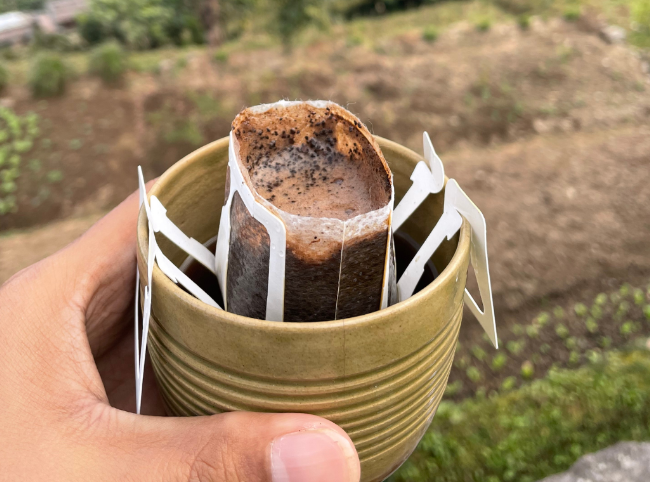
A drip coffee bag holds a measured portion of ground coffee inside a filter with hanging supports and protects it inside an individual outer pouch. Consumers need only a cup and hot water to brew filtered coffee. For Egyptian-style coffee brands, this creates a practical route to retail, hospitality, travel, and e-commerce markets.
How Is Traditional Egyptian Coffee Different from a Drip Coffee Bag?
Traditional Ahwa typically uses a very fine grind and a preparation method different from filter brewing. Fine coffee particles may remain in the cup, while a drip coffee bag requires water to pass consistently through the coffee bed and filter material.
For this reason, traditional ultra-fine coffee should not be placed directly into a hanging-ear drip bag without testing. An overly fine grind may cause:
- Slow water flow or filter blockage;
- Uneven extraction;
- Excessive fine sediment in the cup;
- Increased bitterness;
- A difficult brewing experience for consumers.
A more suitable approach is to develop Egyptian-style coffee for drip brewing. It can retain a darker roast, full body, cocoa, spice, or nutty flavor direction while using a grind size, fill weight, and brewing recipe designed for filtration.
Clear product descriptions may include “Egyptian-style drip coffee” or “Ahwa-inspired coffee for filter brewing.” These terms communicate cultural inspiration while accurately describing the preparation method.
Why Develop Egyptian-Style Drip Coffee?
Drip coffee bags sit between traditional coffee preparation and instant coffee. They preserve hot-water extraction, aroma release, and a brewing ritual while avoiding the need for a coffee machine, grinder, or separate dripper.
Suitable applications include:
- Single-serve retail products from cafés and roasters;
- Dark-roast and medium-dark roast blends;
- Hotel-room, meeting-service, and business hospitality coffee;
- E-commerce, sampling packs, and coffee subscriptions;
- Travel, outdoor, and mobile-work coffee;
- Egypt-inspired gifts and tourism products;
- Corporate gifts and brand events;
- Private-label and contract-packing projects.
The individual pouch can present bean origin, roast level, flavor notes, water temperature, water volume, brewing instructions, and batch information.
How Does an Automatic Drip Coffee Bag Packing Machine Work?
An automatic drip coffee bag packing machine integrates several packaging stages into a continuous workflow:
- Feed roasted coffee ground for drip brewing into the system;
- Dose each bag to the preset weight;
- Fill the coffee into filter material;
- Form an inner filter bag with hanging supports;
- Seal and cut the inner bag;
- Transfer it into an individual outer pouch;
- Heat-seal, cut, and discharge the finished product;
- Add optional dates, batch numbers, or traceability codes.
Automation can reduce manual transfer and improve consistency in fill weight, support placement, filter-bag format, and outer-pouch sealing. Actual performance depends on grind size, density, oil content, static electricity, spice formulas, and packaging materials.
Packaging Priorities for Spiced Egyptian-Style Coffee
Validate Feeding with the Actual Formula
If a product includes cardamom, clove, or other spices, the blend may have different particle size, density, and flowability from pure coffee. Machine trials should use the real production formula.
Verify Water Flow and Flavor
Spice particles and fine coffee powders can influence flow through the filter. Finished products should be brewed using the final filter material, dose, and recommended water volume to confirm stable dripping, balanced aroma, and no obvious blockage.
Plan for Cleaning and Changeover
If a production line will pack plain coffee, different blends, and spiced formulas, hoppers, dosing components, and filling paths should be accessible for cleaning to reduce residue and aroma cross-contact.
Protect Ground Coffee Aroma
Ground coffee and botanical spices can be affected by moisture, oxygen, light, and external odors. Individual outer pouches should provide suitable moisture, oxygen, light, and heat-sealing performance for the intended shelf life and logistics conditions.
From Packaging to Consumer Experience: Four Design Priorities
A successful drip coffee product should make brewing simple. Clear text or graphics on the pouch can guide consumers to:
- Open the outer pouch;
- Unfold the supports and place the filter over a cup;
- Pour hot water in small stages;
- Allow the coffee to drip before enjoying it.
Brands should also define:
- Coffee fill weight;
- Recommended water temperature and total water volume;
- Suggested brew time;
- Suitable cup format;
- Whether sugar or milk is recommended.
This information helps turn traditional flavor inspiration into a consistent, repeatable modern single-serve experience.
What Should Be Tested Before Equipment Selection?
Machine selection should not depend on rated output alone. During trials, provide:
- The actual Egyptian-style drip coffee;
- Grind specifications for coffee and spices;
- Target filling weight;
- Actual filter material and hanging-support samples;
- Intended outer-pouch film;
- Required bag size and style;
- Expected production output;
- Date, batch, and nitrogen-flushing requirements.
Evaluate feeding continuity, fill-weight variation, filter-bag seals, support placement, pouch forming, cutting accuracy, heat-seal quality, and continuous operation. After packaging tests, complete real brewing trials as well.
Egyptian Coffee Drip Bag Packaging Solutions
Xiamen Sengong Packing Equipment Co.,Ltd provides drip coffee bag packing equipment and related solutions for coffee roasters, coffee brands, hospitality suppliers, private-label businesses, and contract packers.
Businesses can discuss coffee formula, spice ratio, fill weight, filter material, outer-pouch film, and target output with the equipment supplier. Packaging and brewing tests with real materials can optimize product and packaging parameters before commercial production.
Learn more about equipment and packaging solutions:
- Xiamen Sengong Packing Equipment Co.,Ltd – Quicker Pack
- Xiamen Sengong Packing Equipment Co.,Ltd – VIPacker
Conclusion
Egyptian coffee culture offers distinctive flavor inspiration and brand value for modern single-serve products. Traditional Ahwa should not be copied directly into a hanging-ear drip bag. A more practical approach is to develop Egyptian-style coffee specifically for filter brewing and validate the grind, dose, filter, and brewing guidance using real materials.
An automatic drip coffee bag packing machine supports accurate dosing, hanging-ear filter formation, and individually sealed outer pouches, helping bring Egyptian-style coffee to retail, hospitality, travel, e-commerce, and gift markets.