A Traceable Origin Expression for Yemen Ground Coffee
Yemen coffee has distinctive historical and specialty-market associations. For coffee brands, roasters and importers, developing Yemen ground coffee products should not focus only on history or rarity. It should also prioritize source documentation, lot information, roast design and the final cup experience for consumers.
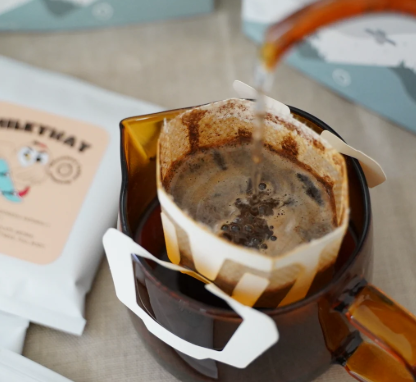
A drip coffee bag, also known as a hanging-ear coffee bag, holds a measured dose of ground coffee inside a filter bag and seals it in an individual outer envelope. For coffee that is clearly sourced and legally compliant, this format can be used for specialty tasting, gift boxes, hotel hospitality, e-commerce retail and single-serve coffee subscriptions.
Explain Genuine Origin Before Telling the Coffee Story
Yemen coffee products may use terms such as “Mocha” or “Moka,” but brands should recognize that these words can also describe flavor profiles, blended beverages or other commercial concepts. They do not automatically mean that the coffee material comes from Yemen.
When developing Yemen ground coffee, brands should first establish clear, verifiable information:
- Actual coffee origin and purchasing documents;
- Lot, exporter or supply-chain records;
- Roast date and product batch code;
- Processing, variety or regional information where genuinely available;
- Applicable food-safety, import, export and labeling requirements;
- Evidence supporting terms such as “single origin,” “specialty” or “limited.”
Transparent and measured origin communication is more credible than relying on historical storytelling alone.
Use Single-Serve Formats to Present High-Value Coffee Differences
Yemen ground coffee can be offered in smaller single-cup formats that make specialty coffee easier to explore. Compared with purchasing a large pack of ground coffee, drip coffee bags let consumers try different lots, roast profiles or flavor directions with less commitment.
Possible product formats include:
- Origin selection coffee: Products with genuine source, lot and roast information;
- Flavor exploration coffee: Different roast profiles showing variation in aroma, sweetness, cocoa-like notes or fruit character;
- Specialty tasting boxes: Multi-pack single-cup products with brewing guidance and source cards;
- Limited gift collections: Numbered packs, lot documentation and concise envelopes for gifting;
- Hotel and business hospitality coffee: A filter coffee experience without requiring a coffee machine.
Single-serve packaging is not merely dividing high-value coffee into smaller portions. It combines origin, roasting and brewing into an easier-to-understand product unit.
Coffee Grind Must Be Calibrated for Drip Filter Brewing
Drip coffee bags are filter-brewing products. Coffee grind should not simply use settings designed for espresso, traditional boiled coffee or other preparation methods. Grind size, coffee dose, filter structure, pouring method and target cup volume must be tested together.
Coffee that is too fine may cause slow flow, clogging, bitterness or over-extraction. Coffee that is too coarse may lead to under-extraction and reduce aroma or complexity. Brands should conduct full trials using final coffee, actual filter bags and intended cup sizes.
A single-cup brewing record for each product can include:
- Net coffee content per bag;
- Grind particle range;
- Recommended water temperature;
- Total water volume;
- Staged pouring method;
- Target brewing time;
- Aroma, acidity, sweetness, body and aftertaste results.
These parameters support packaging-machine setup and help consumers brew closer to the intended flavor profile.
Key Capabilities of a Drip Coffee Bag Packaging Machine
Depending on configuration, a drip coffee bag packaging machine can integrate automatic coffee dosing, inner filter-bag forming, hanging-ear attachment, individual outer-envelope sealing and optional nitrogen flushing. For high-value, small-lot products such as Yemen ground coffee, the system should support stable dosing, lot separation and reliable freshness protection.
Key factors include:
- Accurate dosing with actual coffee
Roast level and grind state affect coffee density, flow behavior and static charge. Continuous trials should use the final coffee product. - Filter flow and hanging-ear strength
Filter bags should match coffee dose and grind, while hanging ears must remain secure on common cup types. - High-barrier individual envelopes
Ground coffee is sensitive to oxygen, moisture, light and odor transfer. Individual envelopes help protect aroma, flavor and retail presentation. - Optional nitrogen flushing
Projects focused on aroma retention, export logistics or longer distribution cycles may evaluate nitrogen flushing. Actual freshness performance should be confirmed through finished-product tests, residual-oxygen control and storage trials. - Lot and traceability management
Envelopes and gift boxes should reserve space for lot code, date marking, source details and QR codes to support consumer verification and internal control.
Use Clear Packaging to Help Consumers Brew Correctly
High-value coffee should not become difficult to understand because of excessive terminology. The outer envelope can clearly display coffee name, roast level, key flavor notes, net content, source information, recommended water volume and brewing steps.
More detailed origin stories, lot data and supply-chain information can be presented through QR codes or gift-box inserts. For export markets, label language, origin statements, date marking and other compliance information should be reviewed for each destination.
Complete Trial Validation Before Launch
Before equipment purchase or commercial production, conduct full trials with final Yemen ground coffee, filter bags and outer-envelope film. Check:
- Is coffee weight consistent in every bag?
- Are filter bags properly formed and hanging ears secure?
- Are outer-envelope seals reliable?
- Are lot and origin details clear?
- Does transport simulation reveal powder leakage, damage or deformation?
- Are water flow, aroma and cup flavor consistent when brewed as instructed?
Packaging Solutions from Xiamen Sengong
Xiamen Sengong Packing Equipment Co.,Ltd provides packaging equipment solutions for drip coffee bags and single-serve ground coffee products. Brands can select suitable configurations based on coffee grind, per-pack coffee dose, output targets, filter-bag specifications, outer-envelope formats, traceability needs and freshness requirements.
Learn more:
- Xiamen Sengong Packing Equipment Co.,Ltd – Quicker Pack
- Xiamen Sengong Packing Equipment Co.,Ltd – VIPacker
Conclusion
Developing drip coffee bags for Yemen ground coffee should be based on genuine origin documentation, stable brewing performance and reliable freshness protection. With a compatible grind profile, clear lot traceability and stable packaging equipment, brands can turn high-value coffee into a more transparent, portable single-cup product for specialty retail, gifting and export markets.