Cà Phê Úc: Phát triển trải nghiệm cà phê đen tốt hơn với bao bì túi nhỏ giọt siêu âm
Từ màu trắng phẳng đến trải nghiệm cà phê khác
Người da trắng phẳng, latte, và các đồ uống làm từ cà phê espresso khác là những phần dễ nhận biết của văn hóa cà phê Úc. Du lịch Úc đưa màu trắng phẳng vào hướng dẫn về phong cách cà phê địa phương. Tuy nhiên, hỗn hợp được phát triển cho cà phê làm từ sữa có thể có hiệu quả khác khi được pha dưới dạng cà phê phin đen.
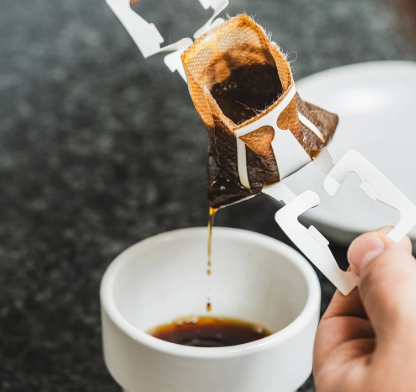
Dành cho các nhà rang xay Úc, túi nhỏ giọt không chỉ đơn giản là một cách để đặt đồ uống cà phê vào trong một gói. Họ tạo ra một cách khác để trải nghiệm thương hiệu: cà phê xay đặc biệt không cần máy pha cà phê espresso.
Máy đóng gói túi cà phê nhỏ giọt siêu âm có thể chia cà phê xay đã được xác nhận thành các bộ lọc và phong bì riêng lẻ. Người tiêu dùng chỉ cần một cốc và nước nóng để chuẩn bị một khẩu phần ăn.
Hỗn hợp cà phê sữa phải vượt qua bài kiểm tra cà phê đen
Hỗn hợp cung cấp cacao, caramel, và cơ thể trong sữa có thể có tính axit khác nhau, sự cay đắng, và kết thúc khi được pha qua bộ lọc nhỏ giọt và phục vụ màu đen. Cả phương pháp chiết xuất và việc không có sữa đều làm thay đổi trải nghiệm.
Sự phát triển có thể theo ba bước:
Đầu tiên, giữ lại công thức và thay đổi cách pha.
Sử dụng loại xay thích hợp để lọc nhỏ giọt và đánh giá xem hỗn hợp hiện có có cân bằng như cà phê đen hay không.
Thứ hai, điều chỉnh rang hoặc pha trộn khi cần thiết.
Nếu cốc bị khô, gầy, hoặc không cân bằng, sử dụng các thử nghiệm rang và nếm thử để hướng dẫn thay đổi thay vì chỉ đơn giản là tăng liều lượng.
thứ ba, xác định sản phẩm.
Quyết định xem đó có phải là cà phê đen hàng ngày hay không, một túi nhỏ giọt có nguồn gốc duy nhất đặc biệt, hoặc cà phê được pha thêm một ít sữa sau khi pha. Mỗi người cần có hướng dẫn phù hợp.
Cà phê nhỏ giọt không phải là cà phê hòa tan. Chỉ riêng nước nóng không thể tái tạo được kết cấu chiết xuất áp suất espresso hoặc kết cấu sữa hấp trắng phẳng. Định vị sản phẩm chính xác giúp người tiêu dùng biết những gì mong đợi.
Giải thích mối quan hệ giữa sự phát triển, Rang, và đóng gói
Một sản phẩm cà phê của Úc có thể nhấn mạnh vào công thức và kỹ năng rang của một thương hiệu địa phương, nhưng “rang ở Úc” và “trồng ở Úc” là những tuyên bố khác nhau.
Nếu đậu xanh nhập khẩu được rang trong nước, xác định chính xác nguồn gốc của chúng. Nếu sử dụng cà phê trồng ở Úc, giữ lại hồ sơ tìm nguồn cung ứng hỗ trợ. Một hỗn hợp không được ngụ ý rằng tất cả các thành phần của nó đều có cùng nguồn gốc trừ khi điều đó đúng.
Nguồn cung ứng đã được xác minh, thông tin rang rõ ràng, và hương vị nhất quán mang lại giá trị mạnh mẽ hơn nhãn hiệu địa lý rộng lớn.
Niêm phong siêu âm giải quyết một nhiệm vụ kết cấu, Không phát triển công thức
Công nghệ siêu âm trong máy đóng gói túi cà phê nhỏ giọt thường được sử dụng để liên kết các vật liệu lọc bên trong tương thích.. Rung cơ học tần số cao tạo ra hiệu ứng cục bộ tại khớp, cho phép các vật liệu phù hợp kết nối.
Đây không phải là quá trình chiết xuất cà phê hoặc xử lý độ tươi. Khả năng tương thích của bộ lọc phải được xác nhận về cấu trúc và yêu cầu niêm phong của nó; không phải mọi chất liệu giấy hoặc sợi đều hoạt động theo cùng một quy trình.
Tùy theo cấu hình máy, sản xuất có thể bao gồm:
- Tự động định lượng và chiết rót cà phê xay;
- Hình thành túi lọc bên trong và niêm phong siêu âm;
- Xử lý bộ lọc treo tai;
- Đóng gói và niêm phong phong bì bên ngoài riêng lẻ;
- Mã hóa ngày và lô;
- Đóng thùng carton hoặc đóng gói các loại ở hạ lưu.
Lớp vỏ bên ngoài có tác dụng bảo vệ trước khi mở và cần có phương pháp niêm phong phù hợp với vật liệu của nó. Niêm phong bộ lọc bên trong bằng siêu âm không có nghĩa là gói bên ngoài không cần niêm phong nhiệt.
Các Máy pha cà phê nhỏ giọt siêu âm VIPacker C19H cung cấp một ví dụ về thiết bị. Trang của nó mô tả bao bì bên trong và bên ngoài, Kiểm soát nhiệt độ vỏ ngoài, và các thiết bị in ngày và dễ xé tùy chọn. Khả năng thực tế cần được khẳng định thông qua mô hình đã chọn và thử nghiệm vật liệu.
Mỗi công thức cà phê cần cài đặt đóng gói được xác thực
Các cách rang khác nhau có thể thay đổi mật độ khối lượng lớn của cà phê xay, chảy, và phân bố hạt mịn. Trọng lượng lấp đầy bằng nhau có thể chiếm các khối lượng khác nhau bên trong bộ lọc.
Các thử nghiệm nên xác nhận:
- Khả năng tương thích cao với bộ lọc đã chọn;
- Trọng lượng đổ đầy phù hợp với thể tích cốc mục tiêu;
- Không gian để làm ướt và mở rộng;
- Việc đổ nước có gây ra hiện tượng đọng nước hoặc thoát nước nhanh bất thường hay không;
- Khả năng tương thích treo tai với cốc dự định;
- Cân bằng hương vị khi đồ uống nguội đi.
Chỉ vận hành máy trơn tru không quyết định được chất lượng sản phẩm. Điểm xác nhận cuối cùng là người tiêu dùng cà phê pha theo hướng dẫn.
Sản xuất liên tục yêu cầu cả kiểm soát trọng lượng và con dấu
Túi nhỏ giọt cao cấp cần định lượng và niêm phong ổn định. Đất đi vào khu vực bịt kín có thể gây ra sự liên kết không hoàn chỉnh, Sự rò rỉ, hoặc hư hỏng bộ lọc.
Khi các hạt bị mắc kẹt, kiểm tra thời gian điền, vị trí hạ cánh, tiền phạt, và tình trạng kênh. Chỉ tăng công suất siêu âm không phải là biện pháp khắc phục triệt để.
Lấy mẫu các gói thành phẩm liên tiếp để kiểm tra khô và thử nghiệm ủ bia. Kiểm tra cân nặng, con dấu, vị trí hỗ trợ, và tình trạng phong bì trước khi pha; sau đó đánh giá tính toàn vẹn của bộ lọc ướt, hỗ trợ ổn định, và thoát nước. Điều này cho thấy các vấn đề mà một mẫu trình diễn đơn lẻ có thể bỏ sót.
Bảo vệ hương thơm bao gồm toàn bộ quá trình sau nghiền
Cà phê xay có diện tích bề mặt tiếp xúc lớn. Phong bì có rào cản cao có thể giúp hạn chế oxy, độ ẩm, và tiếp xúc với mùi, nhưng họ không thể đảo ngược những thay đổi về chất lượng đã xảy ra trước khi niêm phong.
Sản xuất phải quản lý:
- Khử khí sau khi nướng;
- Độ trễ giữa mài và đóng gói;
- Thời gian cư trú của phễu;
- Tính toàn vẹn của niêm phong phong bì bên ngoài;
- Điều kiện bảo quản và vận chuyển thực tế.
Nếu sử dụng phương pháp xả nitơ, đánh giá lượng oxy dư, hiệu suất niêm phong, và kết quả cảm quan sau bảo quản. Thời hạn sử dụng phải đến từ việc thử nghiệm sản phẩm và bao bì thực tế thay vì sao chép thời hạn sử dụng của cà phê khác.
Viết hướng dẫn cho người dùng túi nhỏ giọt lần đầu
Người tiêu dùng có thể chưa sở hữu ấm đun nước cổ ngỗng hoặc có kinh nghiệm đổ tràn. Bao bì nên giải thích cách mở các giá đỡ, gắn bộ lọc, đổ theo từng giai đoạn, và tháo túi một cách đơn giản nhất có thể.
Chi tiết sản phẩm hữu ích bao gồm:
- Nguồn gốc đậu, trộn, và địa điểm rang;
- Mô tả hương vị chính xác;
- Đổ đầy trọng lượng và lượng nước khuyến nghị;
- Nhiệt độ nước và các bước pha;
- Nên dùng màu đen hay thêm sữa sau đó;
- Chi tiết lô, hướng dẫn bảo quản, và thông tin nhãn áp dụng.
Nếu “ghi chú sô cô la” mô tả hương vị của cà phê hơn là một thành phần bổ sung, từ ngữ và hình ảnh không được gợi ý về sản phẩm cà phê sữa có hương vị.
Mang cà phê và cốc thật đến các cuộc thảo luận về thiết bị
Đối với cà phê rang Úc, cà phê nhỏ giọt đen đặc sản, hoặc quán cà phê sản phẩm nhãn hiệu riêng, liên hệ Công ty thiết bị đóng gói Xiamen Sengong, Ltd để thảo luận về các yêu cầu đóng gói bên trong và bên ngoài. Thiết bị liên quan cũng có thể được khám phá thông qua gói VIP.
Cung cấp cà phê thương mại, vật liệu lọc, cấu trúc tai treo, phong bì, và trọng lượng lấp đầy mục tiêu, cùng với thể tích cốc dự định và tiêu chuẩn pha chế. Tốc độ, phạm vi định lượng, Khả năng tương thích vật chất, và các chức năng tùy chọn phải được xác nhận thông qua cấu hình thực tế và kết quả dùng thử.
Phần kết luận
Chìa khóa cho sự phát triển cà phê nhỏ giọt của Úc không phải là sản xuất đồ uống cà phê làm từ sữa. Nó đang biến cách tiếp cận hương vị của người rang xay thành trải nghiệm cà phê phin thỏa mãn. Bằng cách xác nhận lại sự pha trộn, xay, và thể tích cốc, sau đó xác nhận riêng biệt việc niêm phong bộ lọc bên trong bằng sóng siêu âm và bảo vệ lớp vỏ bên ngoài, thương hiệu có thể tạo ra một sự hiểu biết rõ ràng, sản phẩm phục vụ một lần nhất quán đáng mua lại.