Saudi Arabian Coffee Packaging with a Drip Coffee Bag Packing Machine
Saudi Arabian coffee culture has a distinctive regional character. Traditional Saudi coffee, often called Gahwa or Arabic coffee, is commonly based on lightly roasted coffee and may include cardamom or other spices. At the same time, the Saudi market continues to show demand for specialty coffee, espresso, pour-over coffee, and convenient single-serve formats.
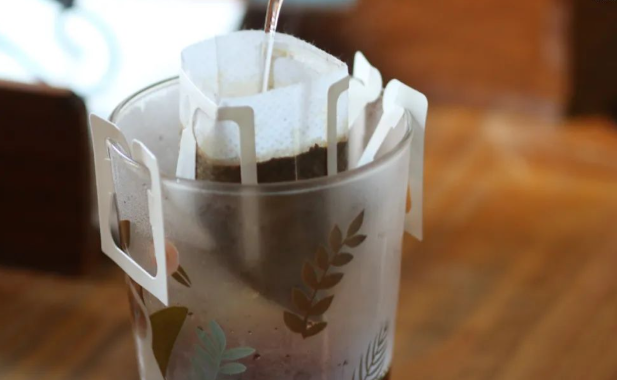
A drip coffee bag contains a measured portion of ground coffee inside a filter with fold-out supports. The completed filter is sealed in an individual outer pouch. Consumers can place the supports over a cup, add hot water, and prepare coffee at home, in the office, in a hotel, or while traveling.
For coffee roasters, brand owners, and contract packers, an automatic drip coffee bag packing machine supports a more standardized single-cup packaging process.
Why Is Saudi Arabian Coffee Suitable for Drip Bag Packaging?
Drip coffee bags combine portability, convenience, and effective branding space. They can be developed for:
- Saudi specialty coffee products;
- Light-, medium-, or dark-roasted Arabica coffee;
- Single-origin coffees designed for pour-over brewing;
- Hotel, office, and corporate-gift products;
- E-commerce and coffee-subscription programs;
- Travel, camping, and seasonal gift boxes;
- Private-label and contract-packed coffee.
The individual outer pouch can display coffee origin, roast level, tasting notes, recommended water temperature, brewing time, production date, QR codes, and other brand information.
Traditional Saudi coffee recipes may use a grind, brewing method, or spice blend that differs from a standard drip coffee bag. If the product contains cardamom or other spices, the real recipe should be tested for filling consistency, water flow, and cup quality before commercial production.
How Does a Drip Coffee Bag Packing Machine Work?
Depending on the model and configuration, an automatic drip coffee bag packing machine can complete several packaging stages in a continuous workflow:
- Roasted and ground coffee enters the feeding system.
- A dosing unit measures the preset portion.
- Coffee is filled into filter material.
- The machine forms an inner filter bag with hanging supports.
- The inner bag is sealed and cut.
- The finished filter bag enters an individual outer pouch.
- The outer pouch is heat-sealed, cut, and discharged.
- Optional equipment applies a date, batch number, or traceability code.
Automation can reduce manual transfer and improve consistency in portion weight, bag format, and sealing quality. Actual output and dosing stability depend on coffee grind, density, oil content, static electricity, spice content, packaging material, and machine settings.
How Can Packaging Protect Saudi Coffee Aroma and Quality?
Ground coffee is more exposed to oxygen, moisture, light, and external odors than whole beans. For products intended for retail distribution, hospitality supply, e-commerce, or export, the barrier performance of the outer pouch is particularly important.
Choose Suitable Outer-Pouch Materials
The filter bag holds the coffee and enables drip brewing. The outer pouch provides the main moisture, oxygen, and light barrier. Packaging film should be selected according to the intended shelf life, transportation conditions, and sales channel.
Maintain Reliable Sealing
Coffee powder in the seal area, wrinkled film, or unstable heat-sealing conditions can compromise package integrity. Seal appearance, seal position, and seal strength should be monitored during production.
Evaluate Nitrogen Flushing
For products that require additional aroma protection, nitrogen flushing may be considered according to the machine configuration and packaging material. Nitrogen can reduce residual oxygen, but final performance also depends on displacement method, seal integrity, barrier properties, and storage conditions.
Validate Spiced Coffee Formulas
Coffee formulas containing cardamom or other spices may affect product flow and filter speed. Testing the actual production formula is important because particle size, spice particles, and oil content may influence dosing and brewing performance.
Advantages of Automatic Drip Coffee Packaging
- Measured single-cup coffee portions based on preset settings;
- Continuous inner-bag formation, sealing, and outer-pouch packaging;
- Reduced manual handling and a more standardized workflow;
- Packaging formats for retail, hotels, gifts, and travel;
- Space to present brand story, coffee source, and brewing instructions;
- Optional date coding, registration control, nitrogen flushing, and product conveying.
What Should Buyers Consider When Selecting a Machine?
Coffee and Spice Characteristics
Roast level, grind size, density, and spice ratio can affect product flow. Buyers should test the intended production formula before finalizing an equipment decision.
Target Filling Weight
The dose should match the target cup size, recommended water volume, and desired strength. The machine’s dosing range must suit the actual product specification.
Filter and Hanging Support Design
The filter material should balance water flow, sealing performance, and food-contact requirements. Hanging supports should fit the cups used in the target market.
Outer-Film Compatibility
Film thickness, friction, printed registration marks, sealing layer, and heat-sealing range can affect operation. The actual film should be used to verify forming, registration, cutting, and sealing results.
Cleaning and Changeover
The hopper, dosing unit, and filling path should be accessible for inspection and cleaning. This is especially important when packing several blends or spiced coffee products.
Why Is a Real-Material Trial Essential?
Machine specifications are only an initial reference. Actual results can vary with different coffee powders, spice formulas, and packaging films.
For a meaningful trial, provide:
- The actual Saudi or Arabic coffee formula;
- Coffee and spice grind specifications;
- Target filling weight;
- Filter material and hanging-support samples;
- The intended outer-pouch film;
- Required bag dimensions;
- Expected production output;
- Date-coding, batch-marking, and nitrogen-flushing requirements.
During testing, evaluate dosing variation, product flow, inner-bag seals, support placement, outer-pouch seals, cutting alignment, and continuous operating stability.
Saudi Arabian Coffee Packaging Equipment Solutions
Xiamen Sengong Packing Equipment Co., Ltd provides drip coffee bag packing equipment and related solutions for coffee roasters, brand owners, hospitality suppliers, and contract packers.
Before starting a project, businesses can discuss the coffee characteristics, spice content, target portion size, packaging film, and required output with the equipment supplier. Testing actual materials helps optimize operating parameters and reduce compatibility risks.
Learn more about drip coffee packing machines and related equipment:
- Xiamen Sengong Packing Equipment Co., Ltd – Quicker Pack
- Xiamen Sengong Packing Equipment Co., Ltd – VIPacker
Conclusion
Saudi Arabia offers diverse opportunities for high-quality, convenient, and culturally distinctive coffee products. Drip coffee bags provide a practical single-serve format for specialty coffee and Arabic coffee products that are suitable for drip brewing.
An automatic drip coffee bag packing machine can integrate accurate dosing, hanging-ear filter formation, and individual outer-pouch sealing. When selecting equipment, businesses should prioritize real-material testing—particularly for coffee formulas containing spices—and assess the dosing system, filter material, outer film, seal quality, cleaning requirements, and output capacity.