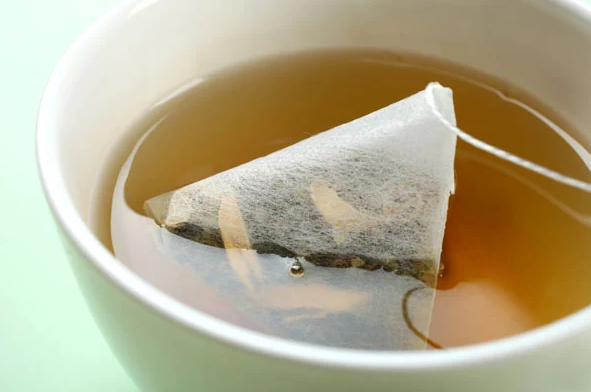
Netherlands Tea Packaging: Pyramid Tea Bags for Premium Single-Serve Tea Products
The Netherlands tea market offers opportunities for convenient, well-designed, and information-rich single-serve tea products. Whether a brand sells black tea, green tea, fruit tea, or herbal tea, consumers value flavor as well as visible ingredients, portable packaging, and easy brewing.
Pyramid tea bags provide a more presentation-focused packaging format for diverse tea products. Compared with conventional flat tea bags, a three-dimensional pyramid filter gives tea leaves, petals, fruit pieces, peels, and botanical ingredients more room to expand in hot water.
An automatic pyramid tea bag packing machine can integrate ingredient dosing, filter-bag forming, sealing, string-and-tag attachment, and individual outer-pouch packaging in a continuous workflow. This helps tea brands develop product lines for retail, e-commerce, hotels, gifting, and office use.
Which Tea Products Are Suitable for Pyramid Tea Bags?
Pyramid tea bags can be used for products with different ingredient forms and flavor directions, including:
- Black tea and flavored black tea;
- Green tea, jasmine tea, and green tea blends;
- Fruit tea with fruit pieces, peels, petals, and spices;
- Herbal tea with mint, chamomile, ginger, or lemongrass;
- Seasonal releases, tasting packs, and gift collections;
- Hotel-room, food-service, and meeting tea;
- E-commerce subscriptions and travel formats;
- Private-label and contract-packed tea.
Individual outer pouches provide space for tea name, ingredients, net weight, brewing guidance, storage instructions, batch details, and the brand story.
A Pyramid Tea Bag Is a Brewing System, Not Only a Bag Shape
High-quality tea bag development depends on the fit between ingredients, filter material, packaging, and preparation method.
Space for Ingredient Expansion
Whole leaves, large petals, fruit pieces, and root ingredients require sufficient internal space. Overfilled bags can restrict water flow and aroma release. A pyramid structure helps ingredients interact more naturally with hot water.
Visible Value for Fruit Tea
Fruit peels, petals, and fruit pieces offer natural color and texture. Transparent or semi-transparent filter materials allow consumers to see the ingredients, supporting a natural and premium product image.
Clear Guidance for Consistent Brewing
Different tea types require different water temperatures and steeping times. Outer-pouch information can state recommended temperature, steeping duration, cup size, and flavor notes.
Packaging Priorities by Tea Type
Black Tea: Aroma and Full Body
Set fill weight according to leaf grade, blend style, and target cup size. Pyramid filters provide room for larger leaves, while individual pouches help protect aroma.
Green Tea: Barrier Protection
Green tea can be sensitive to moisture, oxygen, light, and external odors. Outer-pouch materials should provide suitable barrier performance, while brewing instructions should recommend appropriate water temperature and steeping time.
Fruit Tea: Balanced Ingredients in Every Serving
Fruit pieces, peels, petals, and spices may have different densities. Production trials should verify reasonably even ingredient distribution in each bag to reduce flavor differences between servings.
Herbal Tea: Test Feeding Performance
Herbal leaves, petals, and botanical fragments may be lightweight, bulky, or irregular. Equipment should be tested with the actual formula for feeding continuity, dosing consistency, and sealing quality.
How Does an Automatic Pyramid Tea Bag Packing Machine Work?
A typical automatic process includes:
- Feeding tea leaves, fruit tea, or herbal ingredients into the system;
- Dosing each bag to the preset net weight;
- Forming a pyramid bag from nylon, PLA, non-woven fabric, or another suitable filter material;
- Sealing and cutting the filter bag;
- Attaching a string and tag;
- Transferring the completed tea bag into an individual outer pouch;
- Heat-sealing, cutting, and discharging the final package;
- Adding optional date, batch, or traceability coding.
Actual equipment performance depends on ingredient particle size, density, moisture content, flowability, filter material, and pouch film. Real-material trials should be completed before commercial production.
How Do Individual Outer Pouches Protect Tea Quality?
The pyramid filter enables brewing, while the outer pouch provides primary protection. Select pouch material according to target shelf life, transport method, sales channel, and storage environment. It should offer suitable:
- Moisture protection;
- Oxygen and light barrier performance;
- Odor protection;
- Heat-sealing stability;
- Compatibility with bag forming, cutting, and print registration.
Final shelf life should be validated with actual products, packaging materials, and storage conditions.
Netherlands Tea Pyramid Tea Bag Packaging Solutions
Xiamen Sengong Packing Equipment Co.,Ltd provides pyramid tea bag packing equipment and related solutions for tea brands, black and green tea producers, fruit tea and herbal tea companies, private-label businesses, and packing service providers.
Businesses can discuss ingredient form, fill weight, filter material, string-and-tag requirements, outer-pouch film, and production targets with the equipment supplier. Real-material trials help optimize packaging settings and reduce compatibility risks before production.
Learn more about equipment and packaging solutions:
- Xiamen Sengong Packing Equipment Co.,Ltd – Quicker Pack
- Xiamen Sengong Packing Equipment Co.,Ltd – VIPacker
Conclusion
Black tea, green tea, fruit tea, and herbal tea can be developed as convenient, visually appealing, premium single-serve products through pyramid tea bag packaging. The three-dimensional filter gives ingredients room to expand, while the individual outer pouch helps protect aroma and improve retail presentation.
An automatic pyramid tea bag packing machine supports consistent dosing, three-dimensional filter-bag forming, string-and-tag attachment, and sealed outer-pouch packaging. Successful products depend on matching real ingredients, filter material, outer-pouch material, machine settings, and brewing guidance.