Design-Led Single-Serve Coffee for Korea Ground Coffee
Korea has an active café culture, specialty roasting brands and a highly digital retail environment. In this article, Korea ground coffee refers to coffee roasted, blended, packed or sold for the Korean market; it does not mean that coffee beans are necessarily grown locally.
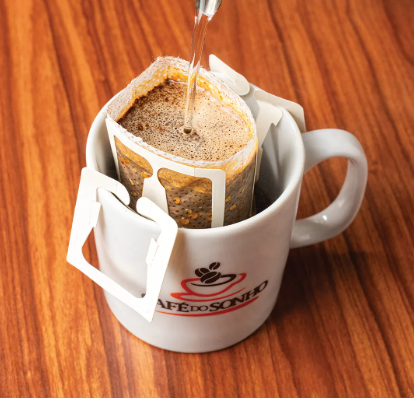
For coffee brands, a single-serve coffee product needs to achieve three things at once: convenient brewing, stable flavor and a recognizable visual identity. A drip coffee bag, also known as a hanging-ear coffee bag, places a measured dose of ground coffee inside a filter bag and seals it in an individual outer envelope. Consumers need only a cup and hot water to make filtered coffee, making the format suitable for e-commerce subscriptions, offices, brand collaborations, gift boxes and sampling events.
Make Envelope Design Part of the Product
In design-led retail, packaging does more than protect coffee. It also supports brand recognition, product differentiation and consumer communication. Although a drip coffee bag envelope is small, color, typography, graphics and information hierarchy can create a clear product system.
Brands can develop:
- Signature blend collections: A consistent visual system for everyday, approachable coffee;
- Single-origin collections: Different colors or graphics to distinguish origin, processing method and flavor direction;
- Monthly subscription coffee: Updated envelope design and product stories around changing themes;
- Brand collaboration coffee: Products created with foodservice, lifestyle, cultural or corporate partners;
- Seasonal gift coffee: Multi-pack assortments with limited packaging for stronger gifting value;
- Office coffee boxes: Products with clear visuals that reduce the brewing barrier for team members.
Design should always be grounded in real product information. Roast level, origin, batch details and flavor notes should match the actual coffee rather than serving only as a visual concept.
A Drip Coffee Bag Is Not Just a Small Coffee Pack
Hanging coffee bags are filter-brewing products. Coffee grind, dose, filter structure and consumer pouring method jointly determine the cup result, so grind settings should not be copied directly from espresso or other brewing methods.
Coffee that is too fine may cause slow flow, clogging, bitterness or over-extraction. Coffee that is too coarse may lead to under-extraction and a thin cup. Brands should test final ground coffee, actual filter bags, target coffee dose and intended cup volume together.
A brewing specification for each product can include:
- Net coffee content per bag;
- Grind particle range;
- Recommended water temperature;
- Total water volume;
- Staged pouring rhythm;
- Target brewing time;
- Aroma, acidity, sweetness, body and aftertaste results.
These details support packaging-machine setup and can be provided through the envelope, an instruction card or a QR-code page.
Key Capabilities of a Drip Coffee Bag Packaging Machine
Depending on configuration, a drip coffee bag packaging machine can integrate automatic coffee dosing, filter-bag forming, hanging-ear attachment, individual outer-envelope sealing and optional nitrogen flushing. For Korea ground coffee projects, the equipment’s value is not only production efficiency but also stable output across multiple product lines and packaging updates.
Key considerations include:
- Accurate dosing and consistency
Different roast levels, blends and grind states vary in density and flow behavior. Continuous trials should use the real product. - Filter flow and hanging-ear strength
Filter bags should match coffee grind and dose, while hanging ears must remain secure on common cup types. - High-barrier individual envelopes
Ground coffee is sensitive to oxygen, moisture, light and odor transfer. High-barrier envelopes help protect quality during e-commerce delivery, retail display and subscription storage. - Optional nitrogen flushing
Aroma-focused, subscription-delivery or longer-logistics products may evaluate nitrogen flushing. Actual freshness performance should be confirmed through product tests, residual-oxygen control and storage trials. - Support for multiple envelope versions
When a brand frequently updates collaboration, seasonal or subscription products, envelope specifications, printing and batch management should remain clear and controlled.
QR Codes and Digital Content Should Support Real Experience
Drip coffee bags can include QR codes linking to brewing videos, coffee origin information, subscription pages or flavor guides. QR pages should match the current product lot, remain updated and be accessible over time.
Digital content should not replace basic package information. Coffee name, net content, date marking, batch code, brewing method and required compliance details should still appear clearly on the envelope or carton.
Real Product Trials Before Launch
Before equipment purchase, packaging redesign or commercial production, conduct complete trials with final coffee, filter bags and outer-envelope film. Confirm:
- Is coffee weight stable in every bag?
- Are filter bags properly formed and hanging ears secure?
- Are outer-envelope seals reliable?
- Are different visual versions easy to distinguish and matched to the correct lot?
- Does e-commerce delivery simulation reveal powder leakage, damage or deformation?
- Are water flow, aroma and flavor consistent when brewed as instructed?
Packaging Solutions from Xiamen Sengong
Xiamen Sengong Packing Equipment Co.,Ltd provides packaging equipment solutions for drip coffee bags and single-serve ground coffee products. Brands can choose suitable configurations based on coffee grind, per-pack dose, output targets, filter-bag specifications, outer-envelope formats, subscription product needs and freshness requirements.
Learn more:
- Xiamen Sengong Packing Equipment Co.,Ltd – Quicker Pack
- Xiamen Sengong Packing Equipment Co.,Ltd – VIPacker
Conclusion
Drip coffee bags for Korea ground coffee can combine flavor, design and digital retail experience in one modern single-serve product. With a filter-compatible grind profile, reliable individual envelopes and stable packaging equipment, brands can serve specialty retail, e-commerce subscriptions, collaborations, offices and gift markets more flexibly.