French Coffee Packaging: Bringing French Coffee Culture to the Single-Serve Drip Bag Market
France has a rich coffee-drinking culture. From espresso at a neighborhood café to coffee served with breakfast pastries and home-brewed filter coffee, coffee is closely connected to everyday life. For many consumers, “French coffee” represents more than bean origin; it is often associated with French roasting traditions, café experiences, and an elegant lifestyle.
It is important to use accurate product language. France is not a major coffee-growing origin. “French coffee” may refer to coffee roasted by French roasters, French-style blends, or coffee produced with a French roast profile. Product packaging should clearly state the actual origin of the beans, blend information, and roast style.
As demand grows for portable specialty coffee, drip coffee bags offer a valuable opportunity for French coffee brands, roasters, and contract packers. An automatic drip coffee bag packing machine measures ground coffee, fills it into a hanging-ear filter bag, and seals it inside an individual outer pouch for retail, hospitality, gifting, and e-commerce channels.
Why Is French-Style Coffee Suitable for Drip Coffee Bags?
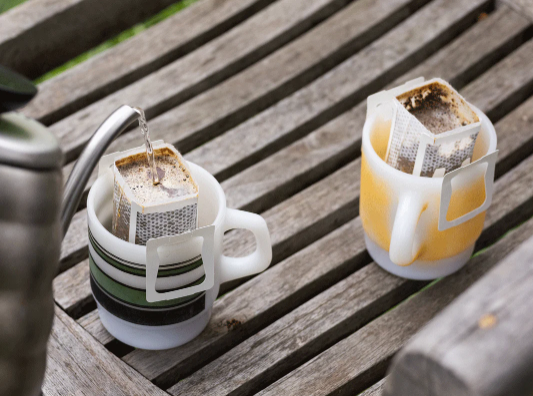
A drip coffee bag combines the filtration method of pour-over coffee with the convenience of a single-serve product. Consumers open the pouch, place the hanging supports over a cup, and pour hot water over the coffee in stages.
For French roast coffee and French-style blends, drip bags provide several advantages:
- Controlled coffee portions for each cup;
- Individually sealed pouches for storage, transport, and retail;
- No separate dripper or filter paper required;
- Convenient preparation at home, at work, in hotels, and while traveling;
- Suitable formats for sample packs, gift sets, and subscription coffee;
- Space for bean origin, roast level, flavor notes, and brewing instructions.
French roast profiles are often dark, bold, and full-bodied. When used in a drip coffee bag, the grind size, filter material, filling weight, and recommended brewing method should be tested carefully to prevent excessive bitterness or uneven extraction.
How Does an Automatic Drip Coffee Bag Packing Machine Work?
An automatic drip coffee bag packing machine produces single-serve hanging-ear coffee products. Depending on the machine configuration, it can integrate coffee feeding, dosing, filter-bag forming, support attachment, outer-pouch packaging, and finished-product discharge.
A typical workflow includes:
- Roasted and ground French-style coffee enters the feeding system.
- A dosing unit fills each package to the preset weight.
- The coffee is placed into filter material.
- The machine forms and seals the inner bag with hanging supports.
- The inner bag enters an individual outer pouch.
- The outer pouch is heat-sealed, cut, and discharged.
- Optional systems print a date, batch number, or traceability code.
Automation reduces manual transfer and supports greater consistency in filling weight, inner-bag appearance, and pouch sealing. Actual output depends on coffee flow characteristics, package specification, film material, and machine configuration.
Packaging Priorities for French Roast Coffee
Control Grind Size and Water Flow
The structure and surface oils of dark-roasted coffee can differ from lighter roasts. An excessively fine grind may slow water flow and create uneven extraction. Real brewing tests with the intended filter and recipe are essential.
Select Suitable Outer-Pouch Materials
The inner filter holds the coffee and enables brewing. The outer pouch provides the primary moisture, oxygen, light, and odor barrier. Materials should be selected according to shelf-life targets, transportation conditions, and sales channels.
Maintain Reliable Seals
Coffee particles in the seal area, wrinkled film, or unstable sealing parameters can affect package integrity. Manufacturers should monitor seal appearance, seal strength, and cutting alignment during production.
Evaluate Nitrogen Flushing
For products requiring additional aroma protection, nitrogen flushing may be evaluated according to the equipment and packaging material. It can help reduce residual oxygen, but its effectiveness depends on barrier properties, gas replacement, seal quality, and storage conditions.
Value of Automatic Drip Coffee Packaging
Automatic packaging equipment can help coffee businesses achieve:
- Consistent single-cup portions;
- Continuous inner-bag and outer-pouch production;
- Less manual handling and product transfer;
- More standardized package specifications;
- Flexible product formats for retail, hospitality, gifts, and e-commerce;
- Optional date coding, batch management, nitrogen flushing, and registration control.
For French-style coffee products, packaging can also become part of the brand story. The outer pouch can present bean origin, roasting details, blend information, recommended water volume, and tasting notes, helping create a more transparent and professional product presentation.
How to Choose a French Coffee Drip Bag Packing Machine
Equipment selection should be based on real production needs, not rated speed alone.
Ground Coffee Characteristics
Grind size, density, roast profile, oil content, and static electricity can influence product flow. Dark-roasted coffee should be tested using the actual production formula.
Filling Weight
The dose should match target cup size, intended strength, and consumer use. The dosing system must meet the required weight range.
Filter and Hanging-Support Dimensions
The filter material should deliver stable water flow, reliable sealing, and suitable food-contact performance. Supports should fit common cup openings.
Outer-Film Compatibility
Use the intended production film for trials to verify pouch formation, registration tracking, cutting position, and seal quality.
Cleaning and Changeover
The hopper, dosing components, and filling path should be accessible for cleaning. Easy changeover is valuable for businesses packing multiple blends, roast profiles, or seasonal products.
Why Is a Real-Material Trial Essential?
Machine specifications are only an initial reference. Coffee powder and packaging materials directly affect dosing, sealing, bag forming, and continuous operation.
A production trial should include:
- The intended French-style coffee;
- Verified bean origin and roast specification;
- Target filling weight;
- Filter and hanging-support samples;
- Actual outer-pouch film;
- Required bag style and dimensions;
- Expected output;
- Date coding, batch management, and nitrogen-flushing requirements.
During the trial, evaluate product flow, dosing variation, support position, inner-bag seals, outer-pouch seals, cutting precision, and operating stability. A brewing trial should also confirm water flow, extraction, and flavor under the recommended conditions.
French Coffee Drip Bag Packaging Solutions
Xiamen Sengong Packing Equipment Co., Ltd provides drip coffee bag packing equipment and related solutions for coffee roasters, French-style coffee brands, private-label businesses, and contract packers.
Businesses can discuss coffee characteristics, target portions, filter materials, outer-pouch film, and production targets with the equipment supplier. Testing actual materials before production helps confirm compatibility between the product and the machine.
Explore drip coffee packaging equipment and solutions:
Conclusion
French coffee culture and French roast traditions offer a rich foundation for portable specialty coffee products. Drip coffee bags combine measured coffee portions, filtration, and individual protective packaging, allowing consumers to enjoy coffee conveniently in many settings.
With an automatic drip coffee bag packing machine, coffee businesses can integrate dosing, hanging-ear filter formation, and outer-pouch sealing. Successful product development depends on the right grind, controlled water flow, suitable barrier materials, reliable seals, and real-material testing.