Gabun-Kaffee: Verwandeln Sie eine Herkunftsgeschichte in einen verifizierten Becher mit der Ultraschall-Tropfbeutelverpackung
Gabun-Kaffee verdient Aufmerksamkeit ohne übertriebene Geschmacksansprüche
Für Kaffeemarken, die Differenzierung suchen, Gabun bietet einen Ursprung, den es zu erkunden lohnt. Die International Coffee Organization listet ein Projekt auf, das sich auf die Entwicklung des Potenzials von Gourmet-Robusta in Gabun und Togo konzentriert. Dies bietet einen Kontext für die Qualitätsentwicklung, Ein historisches Projekt stellt jedoch nicht sicher, dass jedes verfügbare Los den Spezialstandards entspricht.
Der erste Schritt bei der Entwicklung eines gabunischen Kaffeeprodukts sollte daher darin bestehen, rückverfolgbares Material zu sichern und es durch Rösten und Verkosten zu bewerten – und nicht die Vergabe von Etiketten wie „selten“.,„„Erstklassig,” oder vorgegebene Geschmacksnoten.
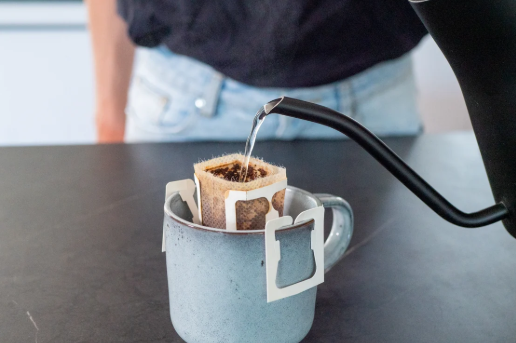
Ein Tropfkaffeebeutel, auch bekannt als Kaffeebeutel mit hängendem Ohr, ermöglicht es Verbrauchern, einen unbekannten Ursprung ohne Kaffeemaschine oder Mühle zu erkunden. Es senkt die Hürde, das Produkt auszuprobieren, während die Qualität immer noch von der Beziehung zwischen der Beschaffung abhängt, Braten, Schleifen, und Verpackung.
Definieren Sie, was „Gabun-Kaffee“ bedeutet
Ein herkunftsbezogener Produktname sollte mit der tatsächlichen Formel übereinstimmen:
Kaffee aus Gabun: Die Herkunft sollte durch Beschaffungs- und Chargenaufzeichnungen belegt werden.
Eine Mischung mit gabunischem Kaffee: Sofern Bohnen aus anderen Ländern enthalten sind, Das Produkt sollte sich als Mischung ausweisen und nicht darauf hinweisen, dass es ausschließlich aus Gabun stammt.
Kaffee, der für den gabunischen Markt entwickelt wurde: Der Verkauf oder die Verpackung eines Produkts in Gabun bedeutet nicht automatisch, dass die Bohnen dort angebaut wurden.
Diese Unterscheidungen helfen Marken dabei, glaubwürdige Verpackungen und Produktseiten zu erstellen, die mit den Beschaffungsunterlagen übereinstimmen.
Überprüfen Sie die Nachfrage mit Testpaketen, bevor Sie die Produktion abschließen
Einzelbecherproben können ein praktischer Ausgangspunkt für eine Herkunft sein, die Verbraucher möglicherweise nicht kennen. Marken können eine kleine Pilotcharge verteilen und Feedback zum Aroma einholen, Stärke, beenden, und Braukomfort.
Bei Versuchen muss nicht jede Variable auf einmal geändert werden. Zwei validierte Röstansätze können mit demselben Filter und derselben Zubereitungsmethode verglichen werden. Sobald die Geschmacksrichtung festgelegt ist, Die Marke kann das Füllgewicht festlegen, Einzelhandelsformat, und Sortimentsstruktur.
Dieser Prozess beantwortet eine nützliche Frage: Wählen Verbraucher das Produkt aus, um Gabun-Kaffee zu entdecken?, weil sie es als Alltagsgetränk genießen, oder beides? Jeder Grund profitiert von echtem Feedback.
Gestalten Sie den Mahlgrad für Drip Brewing neu
Filterkaffee nutzt die Schwerkraft, um das Wasser durch das Kaffeebett und den Filter zu bewegen. Kaffeesatz, der für Espresso oder Kannenbrühen bestimmt ist, funktioniert möglicherweise nicht direkt in einem Beutel mit hängendem Ohr.
Ein zu feiner Mahlgrad kann die Entwässerung verlangsamen, Pooling erstellen, und zu einer ungleichmäßigen Extraktion führen. Ein grober Mahlgrad kann zu unzureichender Festigkeit führen. Marken sollten validieren:
- Partikelverteilung und Feinpartikelgehalt;
- Füllgewicht;
- Filterdurchlässigkeit;
- Beutelkapazität und Ausdehnung nach Benetzung;
- Wassertemperatur, Gesamtvolumen, und strömender Rhythmus;
- Tatsächliche Entwässerungszeit und Tassenleistung.
Sogar innerhalb von Robusta-Kaffee, verschiedene Lose, Verarbeitungsbedingungen, und Röstprofile können sich unterschiedlich verhalten. Die Art allein reicht nicht aus, um Maschinen- oder Brauparameter festzulegen.
Durch die Ultraschallversiegelung entsteht ein zuverlässiger Innenfilter
Ultraschalltechnologie in einer Filterkaffeebeutel-Verpackungsmaschine wird typischerweise zum Verkleben kompatibler Innenfiltermaterialien verwendet. Hochfrequente mechanische Schwingungen erzeugen eine lokale Wirkung am Gelenk, um die Verbindung geeigneter Materialien zu ermöglichen.
Dies ist keine Ultraschall-Kaffeeextraktion, es ist nicht ganz hitzefrei, Und das bedeutet nicht, dass jedes Filterpapier mit den gleichen Einstellungen funktioniert.
Je nach Konfiguration, Eine Linie kann die Dosierung integrieren, Filterformung und Ultraschallversiegelung, Handhabung mit hängenden Ohren, einzelne Umschläge, und Batch-Codierung. Der Innenfilter hält den Kaffeesatz zurück und unterstützt den Brühvorgang. Der äußere Umschlag schützt das Produkt vor dem Öffnen. Diese Funktionen erfordern eine separate Validierung.
Zum Beispiel, Die VIPacker C19H Ultraschall-Tropfkaffee-Innen- und Außenbeutelverpackungsmaschine beschreibt Innen- und Außenverpackung, Temperaturregelung der Außenhülle, und optionale Datumsdruck- und Easy-Tear-Geräte. Die Eignung sollte durch die ausgewählte Konfiguration und tatsächliche Materialversuche bestätigt werden.
Bewerten Sie sowohl das Trockenpaket als auch den Nassfilter
Ein ordentlich aussehender Kaffeebeutel funktioniert beim Brühen möglicherweise nicht zuverlässig. Die Geräteabnahme sollte daher zweistufig erfolgen.
Trockeninspektion: Füllgewicht prüfen, eingeschlossene Böden, Leckage, Kanten abdichten, hängende Ohrposition, und Filterzustand nach dem Transport.
Brauinspektion: Verwenden Sie die vorgesehene Becher- und Ausgießmethode, um die Stabilität des Trägers zu beurteilen, Filterintegrität, Drainage, und die Auswirkung des Gewichts des nassen Kaffees auf die Struktur.
Häufige Erdungen im Dichtungsbereich sollten eine Überprüfung des Füllzeitpunkts auslösen, Landeposition, Geldstrafen, und Zustand des Produktkanals – nicht nur eine höhere Ultraschallleistung. Eine saubere Dichtfläche ist für eine zuverlässige Verbindung unerlässlich.
Aromaschutz erfordert eine gute Produktionsorganisation
Die Verzögerung zwischen Mahlen und Verpacken, Verweilzeit im Trichter, und das Entgasen nach dem Rösten kann das Endprodukt beeinträchtigen. Ein Umschlag mit hoher Barriere kann Qualitätsänderungen, die vor dem Verschließen aufgetreten sind, nicht rückgängig machen.
Produktionschargen können nach tatsächlichen Aufträgen und Maschinenkapazitäten organisiert werden, um unnötige Lagerung im Freien zu vermeiden. Das Material der Außenhülle sollte dem Produkt und den Vertriebsbedingungen entsprechen, während die Integrität der Versiegelung an fertigen Packungen getestet werden sollte.
Wenn eine Stickstoffspülung verwendet wird, Bewerten Sie den Restsauerstoff und die Speicherleistung, anstatt einfach nur einen Gasanschluss zu bestätigen. Die Haltbarkeit sollte anhand des tatsächlichen Kaffees ermittelt werden, Verpackungsmaterialien, Produktionseinstellungen, und erwartete Logistikbedingungen.
Machen Sie jede Nachbestellung auf ihre Charge rückverfolgbar
Wiederholte Käufe hängen davon ab, ob die nächste Charge den Erwartungen der Verbraucher entspricht. Marken sollten die Beschaffung beibehalten, Braten, Schleifen, Verpackung, und Beispielaufzeichnungen, mit entsprechender Revalidierung bei Änderung der Rohstoffcharge.
Der Umschlag oder die Produktseite können bereitgestellt werden:
- Verifizierte Bohnenherkunft und -art;
- Identifizierung einzelner Herkunft oder Mischung;
- Tatsächlicher Röstgrad und Verkostungsnotizen;
- Füllgewicht und Brühanleitung;
- Charge, Verpackung, und Speicherinformationen.
Als sensorische Beschreibungen sollten nussige oder kakaoartige Geschmacksnoten präsentiert werden. Wenn keine Nüsse oder Kakao hinzugefügt werden, Die Verpackung sollte nichts anderes vermuten lassen.
Besprechen Sie das tatsächliche Produkt, Nicht nur Zielgeschwindigkeit
Für Kaffee aus Gabun, Mischungen mit gabunischem Kaffee, oder Einzelbecher-Probeprodukte, Kontakt Xiamen Sengong Verpackungsausrüstung Co., Ltd um die Anforderungen an die Innen- und Außenverpackung zu besprechen. Zugehörige Geräte können ebenfalls erkundet werden VIPacker.
Stellen Sie den eigentlichen Kaffee bereit, Filtermaterial, Struktur mit hängenden Ohren, Umschlag, und Zielfüllgewicht, zusammen mit dem vorgesehenen Bechervolumen und den Akzeptanzkriterien. Geschwindigkeit, Dosierbereich, Materialkompatibilität, und optionale Funktionen sollten durch die gewählte Konfiguration und Testergebnisse bestätigt werden.
Abschluss
Ein Filterkaffeeprodukt aus Gabun sollte mehr bieten als nur einen unbekannten Herkunftsnamen. Nachverfolgbare Beschaffung, Chargenspezifische Verkostung, Drip-Brewing-Entwicklung, Und eine vollständige Verpackungsvalidierung kann die Neugier auf eine Herkunft in ein wiederholbares Trinkerlebnis verwandeln. Eine Ultraschall-Tropfkaffeebeutel-Verpackungsmaschine unterstützt diesen Prozess durch eine gleichmäßige Dosierung, Beutelbildung, und Verpackung – es ersetzt kein Kaffeequalitätsmanagement.