Bringing Armenian Coffee Culture into the Modern Single-Cup Market
Armenian coffee is often associated with hospitality, finely ground coffee, small brewing pots, and a rich aromatic experience. Traditional preparation has a clear cultural identity, but modern retail, hotels, offices, travel, and e-commerce also need products that are portable and easy to brew.
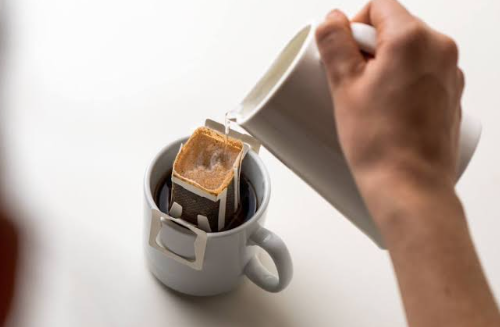
A drip coffee bag, also known as a hanging-ear coffee bag, contains a measured portion of ground coffee inside a filter with supports that fit over a cup. Consumers pour hot water over the grounds to prepare a filter-style cup without a coffee machine or separate paper filter.
This format can draw inspiration from Armenian roast character, aroma, and hospitality traditions, but traditional coffee grounds should not simply be placed inside a drip bag. A quality product needs to be redesigned specifically for filter extraction.
Why Traditional Armenian Fine Grounds Should Not Be Used Directly
Traditional Armenian coffee is commonly ground very finely and prepared by heating or brewing it in a pot. A drip coffee bag uses gravity to move water through a coffee bed and filter material.
Placing an extremely fine traditional grind directly into a drip filter may cause:
- Excessive resistance and very slow drainage;
- Water pooling and extended brewing time;
- Over-extraction, bitterness, and dryness;
- Fine particles passing through the filter;
- Coffee grounds entering the sealing area and reducing bag integrity.
An “Armenian-style drip coffee” should retain cultural and flavor inspiration while using a newly validated grind size, roast profile, blend, fill weight, and water volume. It is a new filter product rather than a direct replacement for pot-brewed coffee.
Recreate Flavor Memory, Not the Traditional Brewing Method
Brands can translate familiar elements—rich aroma, roasted nuts, cocoa, caramel, or gentle spice impressions—into blends designed for drip extraction.
Potential product ranges include:
- Classic Full-Bodied Coffee: medium-dark roast with cocoa, nuts, and a rich mouthfeel;
- Modern Balanced Coffee: medium roast designed for sweetness and cup clarity;
- Specialty Origin Coffee: accurately labeled bean origin, process, and flavor profile;
- Hospitality Gift Sets: several individually wrapped coffees for sharing and gifting;
- Hotel and Office Coffee: equipment-free brewing, individual hygiene, and simple preparation.
Armenia is not a major coffee-growing origin. “Armenian coffee” in this article mainly means coffee roasted, ground, packed, or sold for the Armenian market or an Armenian-style brand. The true bean origin should be stated accurately.
How an Ultrasonic Drip Coffee Bag Packing Machine Works
An ultrasonic drip coffee bag packing machine generally uses high-frequency mechanical vibration to bond compatible inner filter materials at the sealing area. It may integrate coffee dosing, filter-bag forming, hanging-ear application, and outer-envelope packaging into a continuous process.
Depending on the model and configuration, the workflow may include:
- Automatic dosing and filling of ground coffee;
- Inner drip filter-bag forming;
- Ultrasonic sealing of compatible filter material;
- Hanging-ear application or forming;
- Placement of the inner bag into an individual envelope;
- Heat sealing of the outer envelope;
- Date, batch, or traceability coding;
- Output for cartons, gift boxes, or assorted packs.
Ultrasonic sealing is commonly used for the inner filter bag, while the barrier outer envelope may still use heat sealing. The actual process should be confirmed against the machine, filter, and envelope structure.
Good Ultrasonic Sealing Also Requires Powder Control
The term “ultrasonic” does not mean finished bags will automatically be leak-free. If ground coffee enters the sealing area, it may interfere with energy transfer and final seal integrity.
Production trials should examine:
- Stable, centered coffee feeding;
- Fine particles entering the sealing area;
- Suitable ultrasonic power, pressure, and sealing time;
- Weak seals, edge damage, or material scorching;
- Symmetrical and secure hanging-ear placement;
- Seal consistency during continuous operation;
- Whether the wet filter supports coffee and hot water during brewing.
Coffee with excessive fines may require grind optimization and better powder control in addition to machine-setting adjustments.
Move from Weight Control to Brewing Control
A correct fill weight does not automatically guarantee a good cup. Drip coffee performance is also influenced by coffee-bed depth, filter permeability, pouring technique, and final cup volume.
During trials, check:
- Fill weight and variation;
- Grind particle distribution;
- Coffee-bed height inside the filter;
- Wetting behavior after the first pour;
- Total drip time;
- Strength and flavor variation between finished bags.
The definition of successful packaging should move beyond whether the machine can form a bag to whether consumers can brew the product consistently.
The Individual Outer Envelope Protects Aroma Before Opening
Ground coffee has a large exposed surface area and can be affected by oxygen, moisture, light, and external odors. The inner filter is primarily a brewing component; the outer envelope supports protection during storage, transport, and display.
Brands can select suitable high-barrier materials and evaluate optional nitrogen flushing or gas replacement according to the expected sales cycle. The envelope also provides space for bean origin, roast level, flavor notes, brewing instructions, and batch details.
Any shelf-life or aroma-retention claim should be validated using the actual coffee, packaging materials, sealing parameters, storage conditions, logistics, and finished-product testing. Ultrasonic sealing, high-barrier film, or nitrogen flushing alone cannot guarantee a fixed shelf life.
Clearly Explain What “Armenian Style” Means
To prevent consumer confusion, packaging should explain:
- The actual origin or blend composition of the coffee beans;
- The roast or flavor characteristics described as Armenian style;
- That the product is designed for drip brewing rather than traditional pot brewing;
- Roast level, fill weight, and recommended cup volume;
- Suggested water temperature, pouring stages, and total water volume;
- Production date, batch details, and storage conditions;
- Required language and labeling for the destination market.
Accurate product identity respects traditional coffee culture while reducing mismatched brewing expectations.
Run Pre-Production Trials with the Actual Coffee
Before equipment selection, conduct complete trials using the coffee, filter material, hanging ears, and outer envelope intended for commercial sale. Validate:
- Stable feeding and accurate dosing;
- Integrity of the ultrasonic inner-filter seal;
- Trapped grounds, leakage, or filter damage;
- Hanging-ear compatibility with common cup shapes;
- Outer-envelope flatness and seal integrity;
- Package condition after storage and transport;
- Drip rate, aroma, and taste when brewed according to instructions.
Xiamen Sengong Packing Equipment Co., Ltd provides equipment solutions for coffee and food packaging projects. For Armenian ground coffee, hanging-ear coffee, and ultrasonic drip coffee bag projects, visit Quicker Pack and VIPacker to explore relevant equipment and conduct trials with your actual coffee, filter material, envelope, and target fill weight.
Conclusion
The key to bringing Armenian coffee into the single-serve drip market is not copying its traditionally fine grind. It is retaining the cultural and flavor memory while redesigning the product for filter extraction. By optimizing grind size, controlling dosing, validating ultrasonic inner-bag sealing and outer-envelope integrity, a reliable ultrasonic drip coffee bag packing machine can help brands develop quality coffee products for retail, hotels, offices, e-commerce, and gifting.