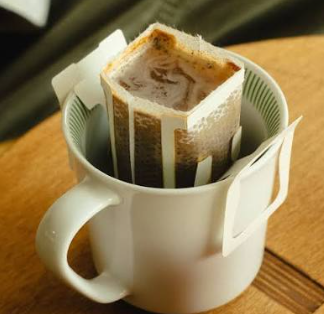
From the Nanyang Coffee Shop to a Portable Drip Coffee Experience
Malaysia has a distinctive Nanyang coffee culture. Traditional Kopi is often built around deeply roasted coffee, sometimes roasted with sugar, butter, or margarine, and may include Robusta, Liberica, or blended coffee components. Its familiar cup profile is often bold, full-bodied, caramel-like, and well suited to breakfast foods and sweet snacks.
Traditional coffee-shop brewing may rely on cloth filters, batch preparation, or on-site mixing. Modern consumers, however, increasingly want coffee that is portable, hygienic, and easy to prepare consistently. Drip coffee bags create a new product route for Malaysia ground coffee: they can preserve the recognizable character of Nanyang coffee while allowing consumers to brew a convenient cup in offices, hotels, at home, or while traveling.
Malaysia Ground Coffee Should Not Simply Be Put into a Drip Bag
Traditional Kopi grounds and drip coffee bags do not always follow the same product logic. Cloth-filter brewing can accommodate finer coffee or certain blend structures, while a hanging-ear coffee bag requires water to pass steadily through the coffee bed. If the grind is too fine, the chicory proportion is too high, or the formula contains too many fine particles, the filter may drain slowly, over-extract, or produce a cloudy cup.
Developing a Malaysia ground coffee drip bag is therefore not about copying the traditional brewing method. It is about converting a familiar flavor profile into a drip-compatible formula. Brands may consider:
- Using medium-dark or dark-roast blends for cocoa, caramel, roasted nut, and fuller-bodied notes;
- Adjusting grind size specifically for filter-bag extraction;
- Controlling chicory or other ingredients and validating the actual brewing flow;
- Matching fill weight with the recommended water volume;
- Providing clear brewing guidance to reduce consumer variation.
This approach helps retain Nanyang flavor character while avoiding unstable flow and extraction results.
Define the Product as a Breakfast Pairing Coffee, Not Only by Origin
Unlike a single-origin specialty coffee, Malaysia ground coffee can be positioned around an everyday, bold, approachable, food-friendly experience. A drip coffee bag line can be designed for different consumption occasions:
- Classic Nanyang Dark Roast: bold, cocoa-like, roasted, and caramel-toned;
- Breakfast Coffee: designed for toast, local breakfast dishes, and baked goods;
- Unsweetened Black Coffee: for consumers seeking a convenient pure-coffee option;
- Hotel and Office Coffee: focused on ease of brewing, hygiene, and consistency;
- Gift and Travel Packs: using individual packaging to add portability and gift value.
This product architecture makes the drip coffee bag more than a packaging format—it becomes a practical way for a coffee brand to reach multiple retail channels and occasions.
Production Value of a Drip Coffee Bag Packing Machine
A drip coffee bag packing machine can combine ground-coffee dosing, filter-bag forming, hanging-ear application, and individual envelope sealing in one continuous process. For Malaysian coffee projects, powder flow, fill-weight consistency, and outer-envelope sealing quality are especially important.
Depending on the configuration, the machine can support:
- Automatic measuring and filling of ground coffee;
- Inner filter-bag forming and sealing;
- Hanging-ear component application;
- Individual outer-envelope packing and heat sealing;
- Optional nitrogen flushing or gas replacement;
- Regular finished packs for cartons, pouches, multipacks, and gift boxes.
Automated packaging helps reduce fill-weight differences caused by manual work and supports consistent pack structure and appearance. For products with different roast levels, blend ratios, or fill weights, machine trials should confirm the correct parameters and changeover efficiency.
How Individual Outer Envelopes Help Protect Coffee Aroma
Once coffee is ground, it can be affected by oxygen, moisture, light, and surrounding odors. The hanging-ear filter bag is designed for brewing, while the individual outer envelope plays a key role in storage and distribution.
Appropriate high-barrier films and stable heat seals can help reduce outside exposure. For products with longer distribution cycles, nitrogen flushing may also be evaluated. Any shelf-life, freshness, or aroma-retention statement should be based on real coffee, actual packaging materials, seal testing, storage conditions, and finished-product validation.
Practical Packaging Copy and Labeling Tips
Malaysia ground coffee drip bags can communicate both heritage and modern convenience. Packaging should clearly state:
- Whether the product is pure coffee or contains chicory or other ingredients;
- Roast style, flavor direction, and intended strength;
- Fill weight, recommended water volume, and brewing steps;
- Coffee species or blend information;
- Production date, batch information, and storage guidance;
- Required language, ingredient, and regulatory details for export markets.
Clear and truthful ingredient and brewing information helps consumers understand the product and reduces expectation gaps between traditional Kopi and modern drip-filter coffee.
What to Check During Packaging Trials
Before selecting a packaging system, brands should test with the real coffee, filter material, and outer-envelope film intended for sale. In addition to packing speed, evaluate:
- Whether ground coffee feeds consistently;
- Whether each sachet reaches the target weight;
- Whether filter-bag seals are secure and free from powder leakage;
- Whether hanging ears are flat, strong, and compatible with different cup sizes;
- Whether outer envelopes are properly sealed and visually consistent;
- Whether coffee still brews normally and delivers the intended flavor after transport and storage.
Xiamen Sengong Packing Equipment Co.,Ltd provides packaging equipment solutions for coffee and food applications. For Malaysia ground coffee, hanging-ear coffee, and single-serve drip coffee projects, visit Quicker Pack and VIPacker to explore relevant equipment and assess it against your product formula, packaging materials, and production goals.
Conclusion
Malaysia ground coffee has a recognizable advantage in its dark-roast character, full body, and Nanyang coffee heritage. With drip-compatible recipe development, grind control, accurate dosing, and individually sealed high-barrier packaging, a drip coffee bag packing machine can help brands transform traditional Kopi inspiration into a high-quality single-serve coffee product for modern retail, hospitality, office, and travel occasions.