Indian Coffee Brings Together Highland Origins, Monsoon Character, and Diverse Brewing Traditions
Indian coffee has a distinctive identity. Arabica and Robusta coffees from southern Indian growing regions are often associated with spice-like, cocoa, nutty, woody, or gently low-acid profiles. Monsooned Malabar, known for its unique processing history, is especially recognized for a full-bodied, mellow, and spice-toned cup.
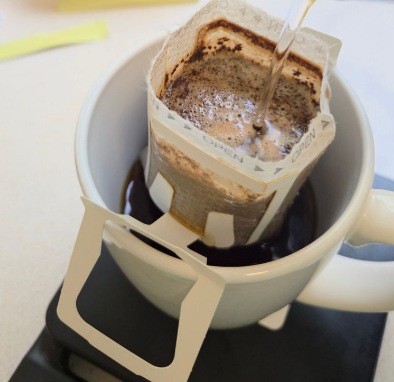
India also has an established filter-coffee culture, including metal-filter brewing and blends that may contain chicory. For brands serving modern retail, offices, hotels, cross-border e-commerce, or travel channels, drip coffee bags offer a different product format. Precisely dosed ground coffee is packed inside a hanging-ear filter bag, allowing consumers to brew a clean, convenient cup with only hot water and a mug.
Moving from Traditional Filter Coffee to Drip Bags Requires Product Development
Traditional Indian filter coffee may use a grind, recipe, and brewing time that are not identical to those needed for a drip coffee bag. Chicory-containing blends can have different water absorption and extraction behavior, while overly fine particles may slow filtration, create over-extraction, or increase sediment in the cup.
For this reason, an India ground coffee drip-bag product should be developed as a complete brewing system, rather than simply repacking an existing ground coffee. Brands can use Indian Arabica, Robusta, or a tailored blend, then optimize:
- Grind particle distribution for even drip extraction;
- Fill weight for the recommended serving volume;
- Roast profile for a balanced body, aroma, sweetness, and bitterness;
- Chicory use and ratio, if included, followed by renewed flow-rate testing;
- Brewing instructions, including water volume, pouring steps, and brew time.
This approach preserves the recognizable character of Indian coffee while creating a more reliable single-serve product.
Why Ground Coffee Needs an Individually Sealed Outer Envelope
After grinding, coffee has a larger exposed surface area and can become more sensitive to oxygen, moisture, light, and surrounding odors. For drip coffee products that will be stored, transported, displayed, or exported, individual pack integrity has a direct impact on the consumer’s opening experience.
A drip coffee bag commonly includes two parts:
- An inner hanging-ear filter bag containing the measured ground coffee for brewing;
- An individually sealed outer envelope that provides additional barrier protection and a printable retail surface.
High-barrier outer packaging materials, combined with optional nitrogen flushing or gas replacement where suitable, may help reduce the coffee’s exposure to oxygen. Actual shelf life and aroma retention must be validated through real product trials based on the coffee formula, packaging film, sealing parameters, storage conditions, and finished-pack testing.
The Value of a Drip Coffee Bag Packing Machine
A drip coffee bag packing machine for India ground coffee should do more than increase output. It should help keep the weight, structure, and seal quality of every sachet under control. A packaging line may integrate:
- Automatic measuring and filling of ground coffee;
- Filter-bag forming, sealing, and hanging-ear application;
- Individual outer-envelope packaging and heat sealing;
- Optional nitrogen-flushing systems;
- Date coding, batch coding, or traceability support;
- Finished packs suitable for cartons, pouches, and gift boxes.
For Indian coffee brands, stable automation can support multiple blends, batch consistency, and varying retail specifications while reducing manual handling and fill-weight variation.
Packaging Positioning for India and Export Markets
A premium Indian drip coffee bag should communicate more than the phrase “Indian Coffee.” Packaging can add meaningful value by showing coffee origin, roast style, flavor direction, blend composition, brewing guidance, and intended consumption occasion. A product may be positioned for office mornings, travel use, hotel amenities, or premium single-serve coffee occasions.
For export projects, brands should verify food labeling, allergen declarations, net-content rules, language requirements, and food-contact packaging regulations in the destination market. If chicory or other ingredients are used, they should be clearly and accurately declared.
Choosing a Packaging Equipment Solution
Before equipment is selected, brands should conduct trials using their real ground coffee, chosen filter material, and intended outer-envelope film. Key evaluation points include:
- Dosing precision and filling stability;
- Filter-bag seal strength and powder leakage;
- Outer-envelope seal integrity and finished-pack appearance;
- Compatibility with different grinds, roast profiles, and formulas;
- Aroma performance after transport and storage;
- Water flow, brew time, and cup quality during actual brewing.
Xiamen Sengong Packing Equipment Co.,Ltd provides equipment solutions for coffee and food packaging projects. For hanging-ear coffee, drip coffee bags, and individually packed ground coffee, visit Quicker Pack and VIPacker to explore relevant packaging equipment and automation options.
Conclusion
India ground coffee can stand out through its flavor story, single-serve convenience, and dependable packaging quality. By optimizing the grind and recipe for drip extraction, then using a reliable drip coffee bag packing machine for dosing, hanging-ear forming, and individual sealing, coffee brands can turn India’s distinctive coffee character into a scalable premium product for modern consumers.