Responsible Drip Coffee Bag Packaging for Kopi Luwak Ground Coffee
Kopi Luwak, often called civet coffee, attracts some specialty coffee consumers because of its unusual origin and rarity. However, this category also raises important concerns around authenticity, supply-chain transparency and animal welfare. For this reason, product development should not focus only on rarity or price. It should be based on genuine purchasing records, verifiable origin, legal compliance and responsible supply-chain due diligence.
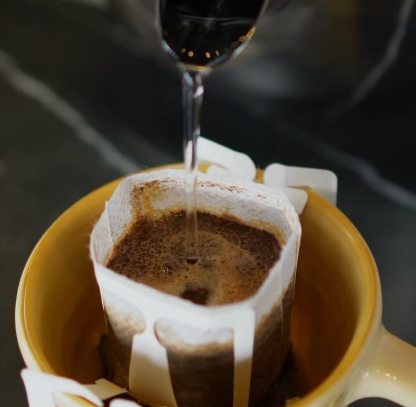
A drip coffee bag, also called a hanging-ear coffee bag, holds a measured dose of ground coffee inside a filter bag and protects it in an individual outer envelope. For coffee that is legally sourced, properly documented and subject to suitable supply-chain review, this format can be used for specialty sampling, gift products, hospitality and limited retail. Consumers need only a cup and hot water to prepare filtered coffee.
Confirm Genuine Sourcing Before Premium Packaging
The first step in developing a Kopi Luwak product is not choosing envelope colors or gift-box design. It is establishing reliable supply-chain information. Brands should carefully review:
- Coffee origin, purchasing documents and lot records;
- Traceability information for production and processing;
- Applicable import, export, food-safety and labeling requirements;
- Animal-welfare due diligence or third-party verification materials;
- Whether claims such as “wild collected,” “free range” or “cage free” can be independently supported.
If a source or animal-welfare claim cannot be substantiated, it should not be used in packaging or marketing. Transparent, measured communication is more credible than exaggerated rarity claims.
Single-Serve Formats Suit High-Value, Low-Volume Sampling
For coffee with a high price point and lower purchase frequency, drip coffee bags offer a lower-commitment tasting format. Consumers do not need to purchase a large bag of ground coffee or prepare complex brewing equipment to experience one filtered cup.
Possible formats include:
- Lot-specific sample bags: One bag linked to a clear lot, with genuine origin and roast information;
- Limited gift boxes: Products with brewing cards and verifiable lot documentation;
- Hospitality selections: Premium guest-room or business-service products with complete and accurate descriptions;
- Specialty comparison sets: Traceable, legally sourced coffees presented for flavor comparison rather than positioning Kopi Luwak as the only selling point;
- E-commerce experience packs: Single-cup products with clear preparation guidance for first-time tasting.
Grind and Filter Extraction Must Be Matched
A specialty positioning does not remove the need for sound brewing design. Drip coffee bags are filter-brewing products, so coffee grind must be optimized for the filter bag, coffee dose and pouring method.
Coffee that is too fine may cause slow flow, clogging, bitterness or over-extraction. Coffee that is too coarse may lead to under-extraction and weak flavor. Brands should conduct trials using the final coffee, actual filter bag, target dose and intended cup size.
A brewing record for each product lot can include:
- Net coffee content per bag;
- Grind particle range;
- Recommended water temperature;
- Total water volume;
- Staged pouring method;
- Target brewing time;
- Aroma, sweetness, body and aftertaste results.
These details support quality control and help consumers evaluate the product under appropriate brewing conditions.
Key Capabilities of a Drip Coffee Bag Packaging Machine
Depending on configuration, a drip coffee bag packaging machine can integrate automatic coffee dosing, filter-bag forming, hanging-ear attachment, individual outer-envelope sealing and optional nitrogen flushing. For high-value, small-lot ground coffee, stability, lot separation and packaging protection are particularly important.
Key points include:
- Accurate coffee dosing
Continuous trials with actual coffee help confirm stable net content for each bag. - Filter flow and hanging-ear strength
Filter bags should match coffee grind and dose, while hanging ears need to remain secure on common cup styles. - High-barrier individual envelopes
Ground coffee is sensitive to oxygen, moisture, light and odor transfer. High-barrier envelopes help protect aroma and finished-pack appearance. - Optional nitrogen flushing
Freshness-focused products or products with longer distribution cycles may evaluate nitrogen flushing to reduce oxygen inside the pack. Actual shelf life should be confirmed through finished-product and storage testing. - Traceability-focused pack design
Envelopes and gift boxes should reserve space for lot code, date marking, source information and QR codes to support consumer verification and internal management.
Packaging Must Not Hide Supply-Chain Problems
Premium packaging cannot replace genuine quality or responsible sourcing. Brands should avoid using elaborate gift boxes, vague rarity language or unverifiable animal-welfare claims to obscure unclear origin information.
Outer envelopes can clearly display coffee name, roast level, net content, brewing method, date marking, lot code and source details. Any animal-welfare, collection-method or certification statement should match documented evidence and comply with requirements in the destination market.
Complete Validation Before Launch
Before equipment purchase or commercial production, conduct full trials using final coffee, filter bags and outer-envelope film. Check:
- Is coffee weight consistent in every bag?
- Are filter bags properly formed and hanging ears secure?
- Are outer-envelope seals reliable?
- Are lot and source details clear?
- Does transport simulation reveal powder leakage, damage or deformation?
- Are water flow, aroma and flavor consistent when brewed as instructed?
- Are all product claims supported by appropriate records and review materials?
Packaging Solutions from Xiamen Sengong
Xiamen Sengong Packing Equipment Co.,Ltd provides packaging equipment solutions for drip coffee bags and single-serve ground coffee products. Brands can choose suitable configurations based on coffee grind, per-pack dose, output targets, filter-bag specifications, outer-envelope formats, traceability needs and freshness requirements.
Learn more:
- Xiamen Sengong Packing Equipment Co.,Ltd – Quicker Pack
- Xiamen Sengong Packing Equipment Co.,Ltd – VIPacker
Conclusion
Kopi Luwak drip coffee bag development should place responsible sourcing, genuine traceability and stable brewing ahead of rarity claims. Only when source documentation, animal-welfare due diligence and product quality can withstand verification can individual single-serve packaging support a more transparent and responsible approach to specialty sampling, gifting and retail.