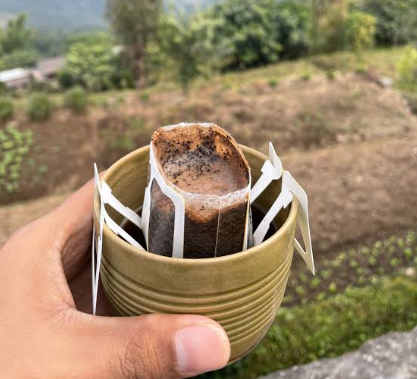
Quality Traceability for New Zealand Ground Coffee: Drip Coffee Bag Packaging
New Zealand’s specialty coffee market places importance on roast freshness, flavor transparency and consumer experience. For roasters and coffee brands, a single-serve coffee product should not only be convenient. Consumers should also understand what the coffee is, when it was roasted, how it should be prepared and what cup profile to expect.
A drip coffee bag, also known as a hanging-ear coffee bag, holds a measured dose of ground coffee in a filter bag and seals it in an individual outer envelope. In this article, New Zealand ground coffee refers to coffee roasted, blended, packed or sold for the New Zealand market; it does not mean the beans are necessarily grown locally. For brands expanding retail and direct-to-consumer sales, this format can condense specialty roasting information into one cup.
Build a Traceable Product System from Roast Record to Single-Cup Label
Large bags of ground coffee can make it difficult for consumers to distinguish batches, roast levels and flavor collections. Individual drip coffee bag envelopes offer a clearer unit for product information management.
Brands can build a complete information system on envelopes and cartons:
- Coffee and collection name;
- Origin, processing method or blend information;
- Roast date and suggested enjoyment period;
- Roast level and flavor notes;
- Batch code or traceability identifier;
- Recommended water temperature, water volume and brewing steps.
This information is not only marketing material. It also supports internal operations. For subscription boxes, seasonal collections and small-lot products, clear batch management can improve inventory control and help consumers compare coffee profiles.
Stable Filter Extraction Depends on Grind and Dose
A coffee that performs well as café pour-over does not automatically work in a drip coffee bag. Hanging filter products use a fixed bag, set coffee dose and relatively standardized brewing method, so the coffee grind must be evaluated again.
Coffee that is too fine may slow water flow, resulting in clogging, bitterness or over-extraction. Coffee that is too coarse may allow water to pass too quickly, reducing strength and flavor completeness. Brands should conduct repeated trials with final ground coffee, real filter bags, recommended water volume and target cup size.
A single-cup quality standard for each SKU can include:
- Net coffee content per bag;
- Grind particle range;
- Filter-bag specifications and water-flow performance;
- Recommended water temperature and total water volume;
- Staged pouring rhythm;
- Target brewing time;
- Aroma, acidity, sweetness, body and aftertaste results.
Recording these indicators can reduce product variation between batches and provide a stronger basis for packaging-machine setup.
How a Drip Coffee Bag Packaging Machine Supports Quality Control
Depending on configuration, a drip coffee bag packaging machine can integrate automatic coffee dosing, inner filter-bag forming, hanging-ear attachment, individual outer-envelope sealing and optional nitrogen flushing. For New Zealand ground coffee projects, its value is not only production speed—it can also help establish repeatable quality-control points.
Key considerations include:
- Stable coffee feeding: Coffee powder density and static behavior vary by roast level and grind state, so continuous trials should use the final product.
- Filter bag and hanging-ear consistency: Filter bags should maintain neat shape and suitable water flow; supports should hold securely on common cup types.
- Outer-envelope barrier performance: Ground coffee is sensitive to oxygen, moisture, light and odor transfer. High-barrier envelopes help preserve aroma and flavor.
- Optional nitrogen flushing: Products with longer distribution cycles or strong aroma-retention goals may evaluate nitrogen flushing. Actual shelf life should be determined through finished-product tests, residual-oxygen data and storage trials.
- Batch-code convenience: Envelopes and cartons should reserve clear areas for dates, batch codes and traceability information to support internal quality control and customer service.
Subscription, E-Commerce and Gifts: Make Every Bag a Long-Term Brand Touchpoint
Drip coffee bags suit direct-to-consumer retail models. Brands can use subscription boxes to introduce different origins or roast styles regularly, e-commerce tasting sets to attract first-time buyers and gift collections for corporate or seasonal demand.
Each individual coffee bag can also include a QR code linking to brewing videos, origin information or a flavor guide. The linked content should match the actual product and remain available over time so consumers do not find outdated or incomplete information.
Quality Validation Checklist Before Production
Before equipment purchase, seasonal recipe changes or commercial production, conduct trials with final ground coffee, filter bags and outer-envelope film. Verify:
- Is net content consistent in every bag?
- Are filter bags neatly formed and hanging ears secure?
- Are outer-envelope seals reliable?
- Are batch and date markings clear?
- Does storage and transport simulation reveal powder leakage, damage or deformation?
- Do water flow, aroma and flavor match the product standard when brewed as instructed?
Packaging Solutions from Xiamen Sengong
Xiamen Sengong Packing Equipment Co.,Ltd provides packaging equipment solutions for drip coffee bags and single-serve ground coffee products. Brands can choose suitable configurations based on coffee grind, per-pack coffee dose, output targets, filter-bag specifications, outer-envelope formats, traceability needs and freshness requirements.
Learn more:
- Xiamen Sengong Packing Equipment Co.,Ltd – Quicker Pack
- Xiamen Sengong Packing Equipment Co.,Ltd – VIPacker
Conclusion
Developing drip coffee bags for New Zealand ground coffee is more than changing ground coffee into a smaller format. It is about building a traceable quality system from roast records and grind settings to packaging protection and consumer brewing. With stable packaging equipment and real-material validation, brands can create transparent, premium single-cup coffee products that encourage repeat purchase.
Note: This is original SEO content with a clear structure, natural keyword