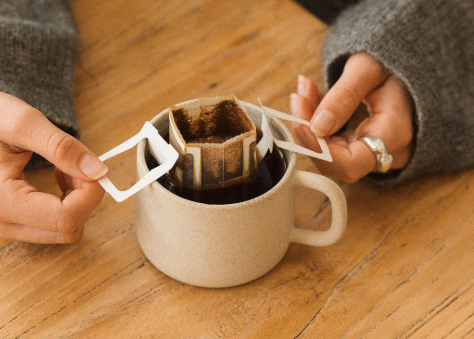
Nepal Ground Coffee in a Single-Cup Format: Drip Coffee Bag Packaging
Nepal’s mountain setting, specialty agricultural stories and travel culture create distinctive opportunities for coffee brands. For coffee growers, roasters, packing companies and tourism retailers, Nepal ground coffee can be more than a beverage. It can connect origin, brewing experience and portable consumption in one specialty product.
A drip coffee bag, also known as a hanging-ear coffee bag, holds a measured amount of ground coffee inside a filter bag. Consumers need only a cup and hot water to prepare a filtered coffee. Compared with large packs of ground coffee that require additional equipment, individual drip bags are suitable for guesthouses, hotels, travel, outdoor activities, e-commerce sampling and souvenir channels.
Build Nepal Coffee Value Through Readable Origin Information
Specialty coffee consumers often want to know more than whether coffee tastes strong. They want to understand where it came from, how it was processed and how it should be brewed. Although a drip coffee bag is compact, its outer envelope can become an effective platform for origin information.
Nepal ground coffee can tell its story through:
- Growing-area or cooperative information;
- Coffee variety and processing method;
- Roast date and roast level;
- Flavor notes, such as nutty, caramel, cocoa-like, fruity or floral characteristics;
- Recommended water temperature, water volume and brewing method.
For small-lot coffee, clear batch and origin details can improve traceability. For tourism and gift products, a concise origin story and brewing guidance can create a stronger unboxing and drinking experience.
Travel-Friendly Coffee Still Needs Reliable Brewing Performance
Travel products should not focus only on portability. For drip coffee bags, consumers still need stable water flow and cup quality when brewing in a hotel room, office or outdoor setting.
Grind size is critical. Coffee that is too fine may slow the water flow and create clogging, bitterness or over-extraction. Coffee that is too coarse may result in a weak cup with limited aroma. Brands should test the actual coffee, final filter bag, target dose and intended cup volume.
A “single-cup brewing standard” can include:
- Net coffee content per bag;
- Filter-compatible grind range;
- Recommended water temperature;
- Total water volume;
- Staged pouring instructions;
- Target brewing time and sensory results.
This standard supports packaging-machine settings and helps consumers prepare a cup closer to the intended profile in different locations.
Key Role of a Drip Coffee Bag Packaging Machine
Depending on configuration, a drip coffee bag packaging machine can integrate automatic coffee dosing, inner filter-bag forming, hanging-ear attachment, individual outer-envelope sealing and optional nitrogen flushing. For Nepal ground coffee projects, the equipment helps turn small-lot origin coffee into a consistent, retail-ready single-serve product.
Key selection factors include:
- Coffee dosing consistency: Roast level and grind state affect coffee density and flow behavior, so trials should use the real product.
- Filter-bag water flow: Filter material, bag design, coffee grind and coffee dose need to work together for suitable brewing flow.
- Hanging-ear strength: Supports should fit common cup types and remain secure during pouring.
- High-barrier outer-envelope protection: Ground coffee is sensitive to oxygen, moisture, light and odor transfer. Individual envelopes help protect product quality.
- Optional nitrogen flushing: Freshness-focused or long-distance distribution projects may evaluate nitrogen flushing. Actual shelf life should be confirmed through product and storage testing.
- Flexible formats: Individual units, tasting packs, multi-pack gift boxes and hotel boxes can serve different sales channels.
From Mountain Travel to Everyday Office Coffee
Nepal coffee brands can develop drip coffee bags for multiple occasions. Travel collections can emphasize portability and simple preparation; specialty single-lot products can highlight origin information; everyday office lines can use more balanced blends; and gift boxes can offer a range of roast levels or coffee areas.
Environmental, origin or quality claims on the outer envelope should match actual materials, supply-chain information and test results. Clear and truthful product communication is more valuable for long-term brand building than claims that cannot be verified.
Real Product Trials Before Launch
Before equipment purchase and commercial production, run complete trials with final ground coffee, filter bags and outer-envelope film. Check:
- Is coffee weight stable in every pack?
- Are filter bags properly formed and hanging ears secure?
- Are outer-envelope seals reliable?
- Does transport simulation reveal powder leakage, damage or deformation?
- Are water flow, aroma, strength and flavor consistent when brewed as instructed?
Only when packaging-line performance and final brewing experience both meet expectations can a drip coffee bag become a specialty product with repeat-purchase potential.
Packaging Solutions from Xiamen Sengong
Xiamen Sengong Packing Equipment Co.,Ltd provides packaging equipment solutions for drip coffee bags and single-serve ground coffee products. Brands can select suitable configurations according to coffee grind, per-pack dose, output targets, filter-bag specifications, outer-envelope formats and freshness requirements.
Learn more:
- Xiamen Sengong Packing Equipment Co.,Ltd – Quicker Pack
- Xiamen Sengong Packing Equipment Co.,Ltd – VIPacker
Conclusion
Drip coffee bags for Nepal ground coffee can concentrate origin stories, specialty roasting and travel convenience into a single cup. With a compatible grind profile, reliable high-barrier envelopes and stable packaging equipment, brands can make Nepal coffee more suitable for tourism retail, hotels, e-commerce and specialty gift markets.